As a football fan, growing up in the early 2000s, I quickly learned that combined legacy doesn’t always create success.
Real Madrid’s galacticos may have been a glittering collection of the world’s best players, but something about it felt soulless and empty in comparison to more thought-out teams in the world. For me, it was an early lesson, in how, you can’t cheat your way to wins and that’s certainly the same in music.
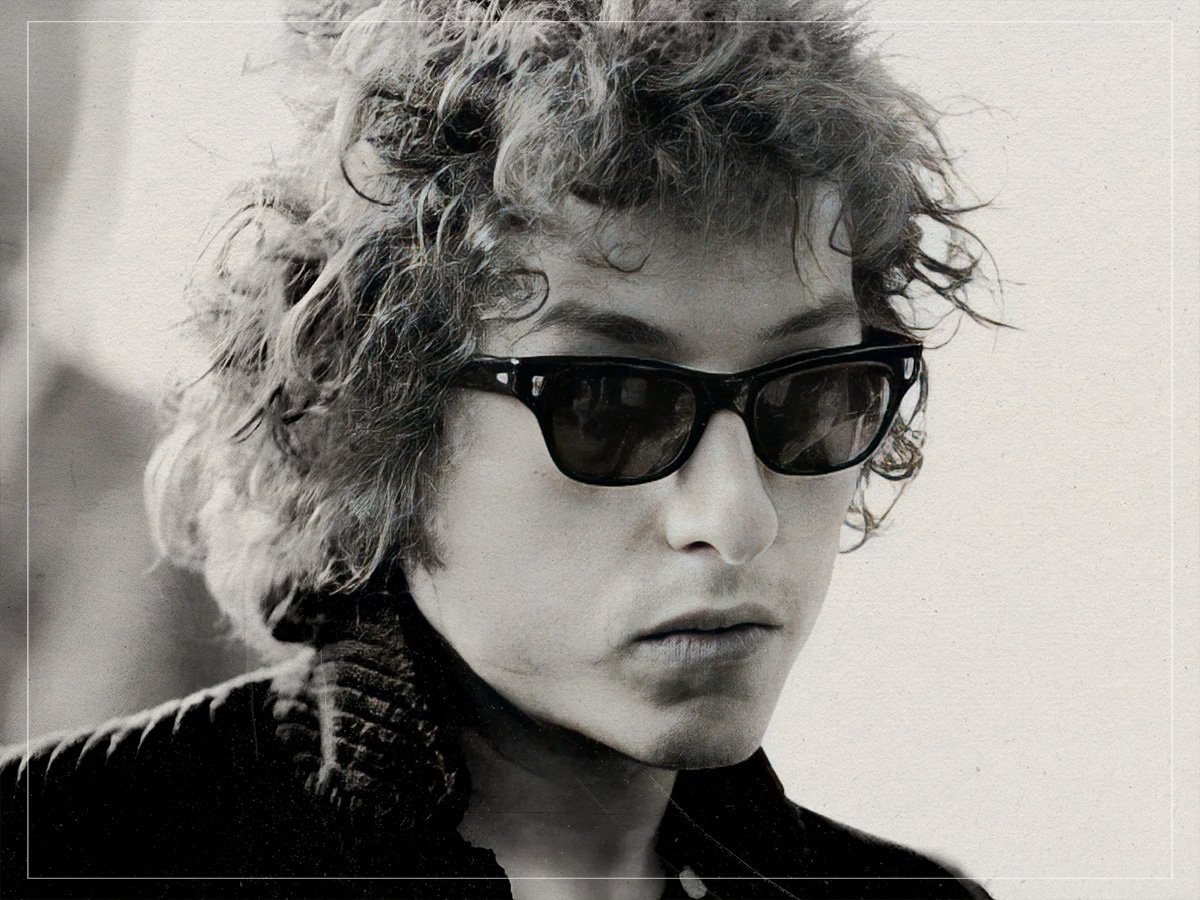
Sure, I love Bob Dylan as a standalone artist. Who doesn’t? Similar to Madrid’s Zinedine Zidane, he is effortlessly magic, creating music that simply nobody else could, but all the while being spiky, confrontational and extremely intimidating. So sometimes it’s best to just give him the ball and let him score on his own, without the competitive influence of another great.
Nevertheless, he continued on against better judgment for his 1983 album Infidels by asking a string of greats to man the production ship. David Bowie, Frank Zappa, and Elvis Costello were all considered as suitable producers before the songwriting great landed on Mark Knopfler.
But there was an air of tension from the get-go, with Knopfler’s incessant eye for detail rubbing up against Dylan’s more free-flowing approach. Dire Straits’ producer Neil Dorfman followed under Knopfler’s wing and immediately remembered how Dylan was “a little shocked at the way Mark and I worked. My impression is that Bob always has, and always will want, a very immediate approach. He gets very easily bored. So, in that respect, I think Infidels was not the most comfortable situation for either Bob or Mark.”
Despite the obvious air of creative clunkiness between the pair, Knopfler pressed on because, well, this is Bob Dylan after all. And in the spirit of nothing worth doing comes easy, Knopfler accepted that creative indecision between the pair may just be par for the course when it comes to laying down greatness. But, with every track laid down, the unfortunate reality became ever clearer.
“I imagine that he [Knopfler] felt a similar responsibility to the one that I felt: this is Bob Dylan; we’re going to make an amazing record, we have an incredible band, an incredible bunch of songs, and it’s up to us, we really, really have to make this happen,” Dorfman explained.
Adding, “And I could feel the air just sort of going out of Mark a little bit, when he realised that the traditional role of the producer was not going to be in play on this record. He was going to be looked to as an advisor, or maybe a mirror in some ways. But as far as driving the bus – that was not going to happen.”
It was undoubtedly tricky for Knopfler when the record was released to underwhelming critical acclaim. Sure, his experience would have been validated by a rather drab end result, but would that have made the disappointment any easier? Surely not, because it was ultimately Knopfler’s name who remains on the record and therefore an ever-present reminder of how a golden opportunity went wrong.