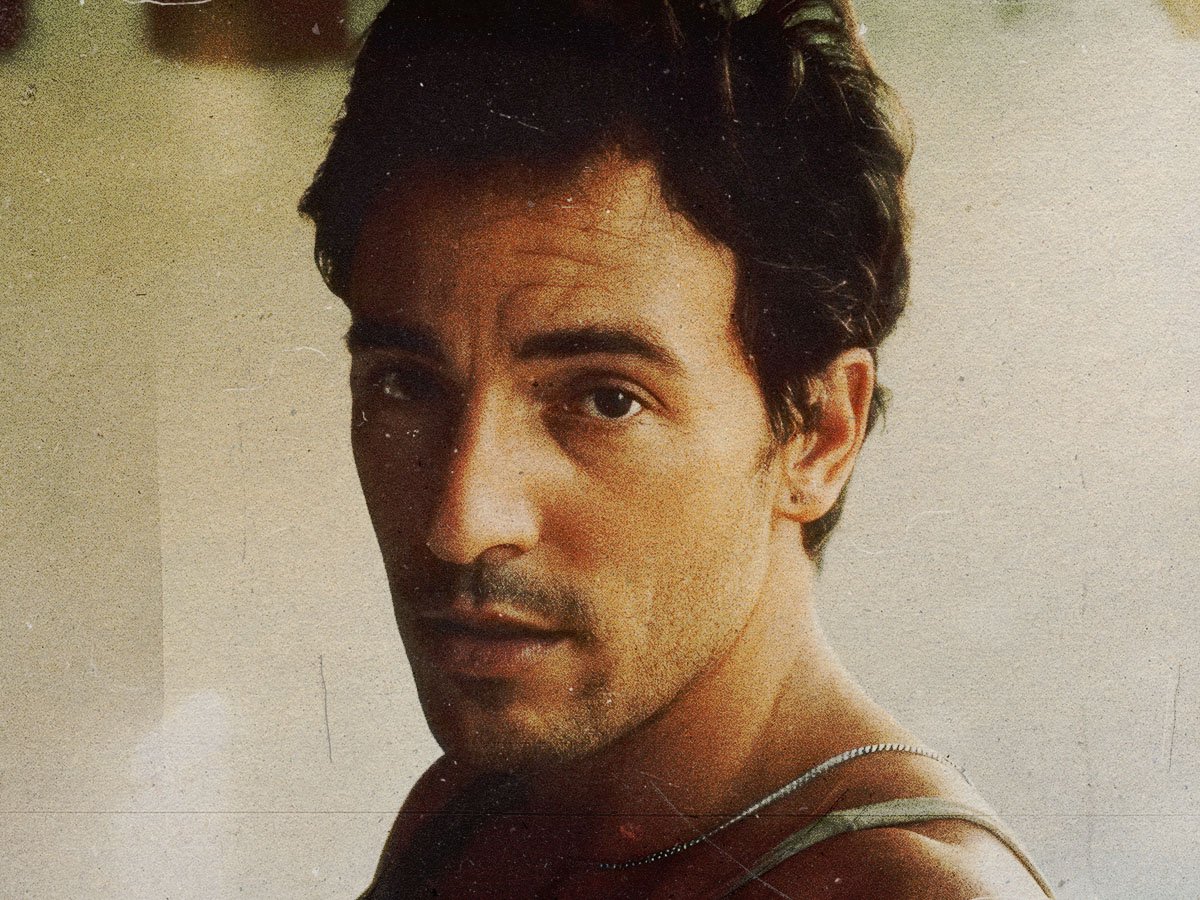
Bruce Springsteen had rock and roll running through his veins before he had even picked up a guitar.
He may have been the spitting image of Bob Dylan in some critics’ eyes when he came out, but he was indebted to people like Elvis Presley and Chuck Berry for truly getting the ball rolling for him when playing on the streets of New Jersey. But ‘The Boss’ had a clear image for what he wanted his sound to be, and nothing was going to make it on a record that didn’t have heart behind it.
And it’s not like he wasn’t willing to suffer for his art, either. Throughout his career, every one of his records has been about trying to capture a certain spirit within its grooves. Born to Run may have crossed the line into legendary status by sheer force of will, but every other record he made was built off of how he was feeling, whether that was the openhearted pain in Nebraskaor the frail nerves of The Rising.
Although all of them came back to Springsteen’s holy church of rock and roll, there was also a fair bit of soul influence creeping in every now and again. Soul had never been all that far away from rock during its early days, and The Beatles weren’t shy of wearing the influences of people like Ray Charles on their sleeves when they started making their first ballads.
But soul music isn’t always about getting sentimental. Sam and Dave were among the greatest soul artists in the world, and yet they managed to get a crowd moving better than anyone else, and looking at how those audiences reacted, Springsteen knew that was something that he wanted to do. He was certainly capable of singing like that, but it wasn’t until his second record that he had the right band behind him.
The makings of the E Street Band were already there on Greetings From Asbury Park, but The Wild The Innocent and The E Street Shuffle is where they are really brought to the forefront. The first record is mostly a singer-songwriter record, but this album sounds like walking into a club in the middle of Jersey and seeing ‘The Boss’ and his employees cutting loose for the hell of it.
And while it took a while, the songs stretched out a lot longer than usual, Springsteen knew he was onto something when working on ‘Rosalita’, saying, “‘Rosalita’ has got to be one of the best rocking soul songs I’ve ever written. It’s fundamentally Latin-based. I don’t know of anything else like it in the entire rest of my work. There’s only one ‘Rosalita’. There’s things that are somewhat related, but no, it doesn’t happen twice.”
Like all Springsteen classics, though, the tune would take on a whole new life once he played it live. ‘The Boss’ always took the live performances to a new level, but whenever he kicked into this tune, he turned into a musical shaman half the time, conducting his congregation throughout the tune and making every single soul in that crowd believing in the sense of freedom that Rosalita as she runs away with her rock and roll soulmate.
Even if the song didn’t set the world on fire on the charts by any means, the whole track was only signalling what was coming later. Springsteen had only just begun to make bold sweeping statements, and while ‘Rosalita’ is its own unique beast, you can hear the bones of tunes like ‘Jungleland’ coming out of the tune in a few places.