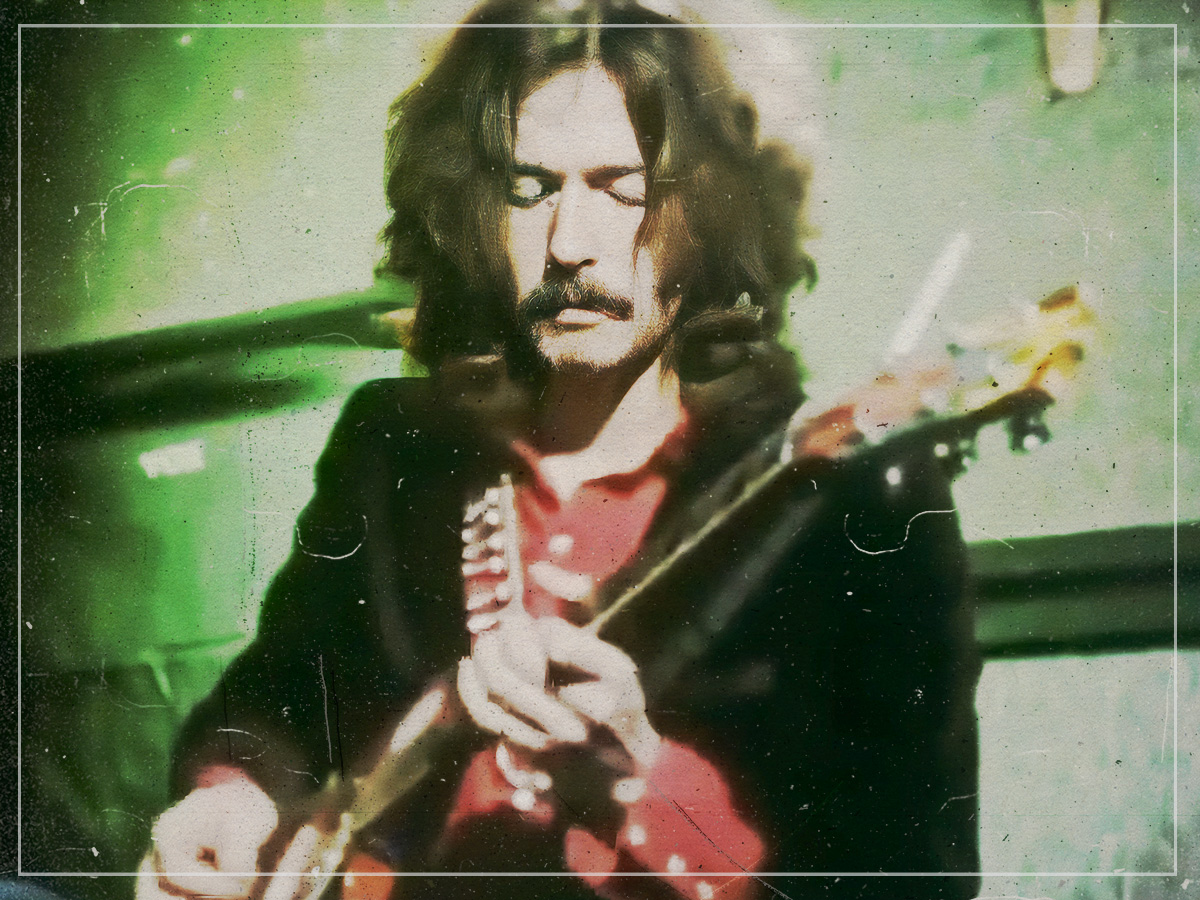
Despite standing as one of the celebrated forces of the UK’s psychedelic counterculture of the 1960s, guitar maestro Eric Clapton always held a diffident relationship with the era’s lysergic pop trends.
He was a bluesman at heart. Having fallen in love with the blues as a teen, Clapton learnt the guitar by listening to old blues records and studying the chords of the likes of Robert Johnson, the Brownie McGhee and Sonny Terry duo, and Muddy Waters during his later electric Chicago years.
As a budding guitarist, the young Clapton would try to recreate the old blues artists’ songbook, recording his bedroom sessions on a Grundig reel-to-reel and paying attention to each playback to perfect their style.
Years later, Clapton found himself lending his guitar chops to the pioneering pop-rock group The Yardbirds. Yet, as commercial fortunes were looking certain on the back of their psychedelic fuzz attack, Clapton lost interest and decided to decamp to John Mayall & the Bluesbreakers, sticking around for 1966’s debut album and sowing the seeds of the roots rock that would emerge toward the end of the decade.
Acid rock would follow, however, teaming up with The Graham Bond Organisation’s Jack Bruce and Ginger Baker and scoring the decade’s heady close on both sides of the Atlantic with the Cream super trio, helped in no small part by his kaleidoscopic Gibson SG guitar designed by Dutch art-collective The Fool. It’s the blues that would course a foundational thread throughout Clapton’s career after the 1960s’ LSD wore off, the old masters popping up in various covers and tribute jams right up til 2024’s To Save a Child: An Intimate Live Concert.
Clapton’s veneration for the blues would forever be held as the pinnacle all artists aspire to, and a sky-high bar for himself across his decades’ worth of work. When assessing the old pioneers that so inspired him, one huge Chicago name and his key number stood as the definitive theme of Americana’s legendary bluesmen.
“When I was about 14, I saw Big Bill Broonzy on TV, and that was an incredible thing,” Clapton recalled to Guitarist in 2003. “Because maybe if I’d just heard it, it might not have had the same effect. But to see footage of Broonzy playing ‘Hey Hey’, this was a real blues artist, and I felt like I was looking into Heaven. That was it for me…when I went to explore his music, the song that always came back to me was an incredible version of ‘Key To The Highway’. That was the one that I thought somehow would, like ‘Crossroads’, capture the whole journey of being a musician and a travelling journeyman”.
A blues standard shrouded in folklore and mysterious origin, Broonzy’s 1940s earthy take on ‘Key to the Highway’ straddles the historic pivot as America’s musical tapestry was shifting toward the rock and pop explosion that soundtracked Clapton’s youth. The Mississippi-born blues, country, and even folk hero left a deep impression, Clapton later taking a stab at ‘Key to the Highway’ on 1970’s Layla and Other Assorted Love Songs, turning the number into a near ten-minute jam with his short-lived Derek and the Dominos.