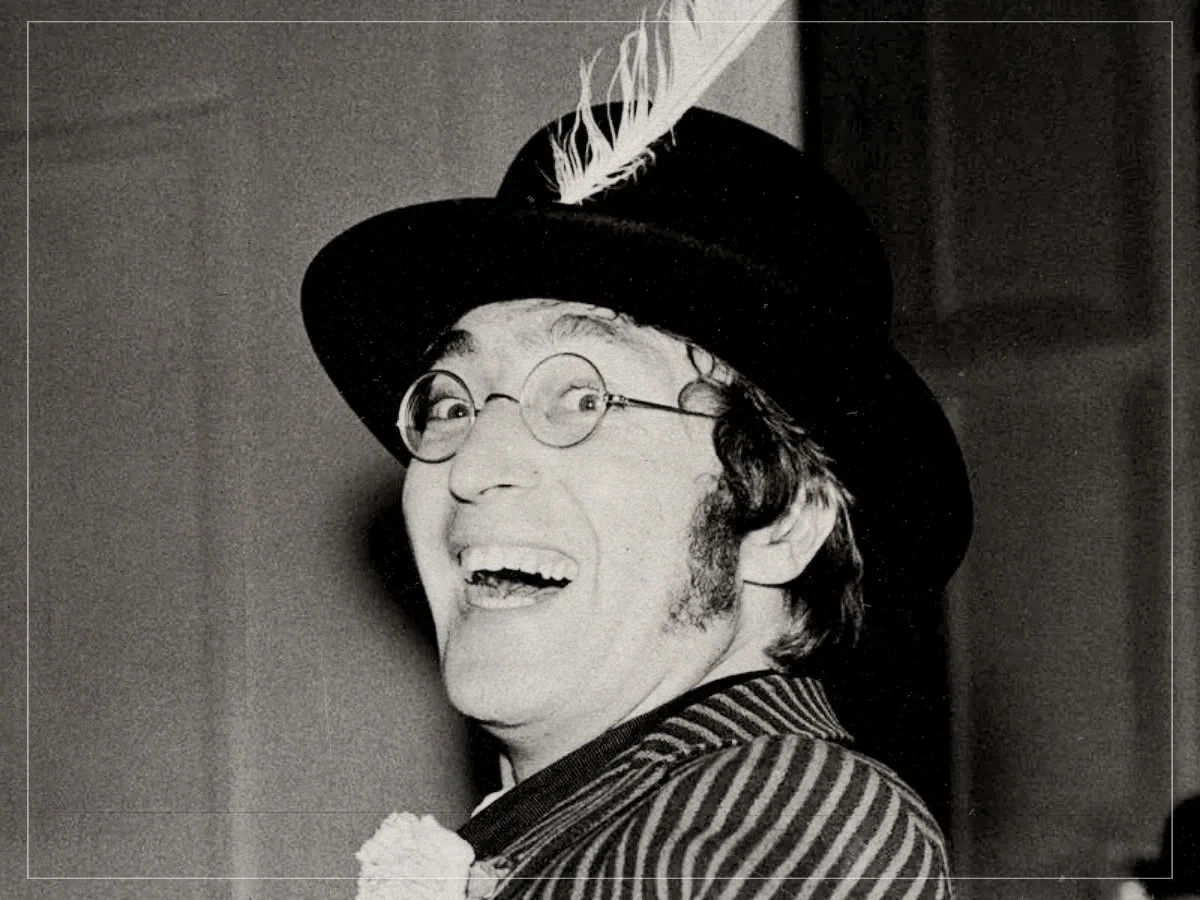
John Lennon worked his whole life to be considered a man of the people.
He may not have had the same kind of upbringing as everyone else in Liverpool, but when he first started to become an icon, he never claimed to be better than anyone else. The role of working class hero was where he felt needed the most, but that didn’t mean he always had to have warm feelings about his other Fabs.
When you talk about the fallout of The Beatles, the whole thing reads like one elongated soap opera in some respects. Everyone might like to claim that Yoko Ono was the key behind their breakup and disrupted every piece of their creative chemistry, but all the members were growing apart anyway, and since their label was going under, the best way to fix things was to go their separate ways.
Looking at how Lennon and Paul McCartney approached their solo careers, it’s not hard to see that they were looking at things from two separate directions. Lennon had sought to bring everything back down to Earth with Plastic Ono Band, and despite his old mate doing the same on his self-titled debut, RAM was the first time people got to hear a more eccentric version of what a Beatle could do, even if its genius couldn’t be appreciated until years down the line.
McCartney’s solo career should have been thriving, but the backlash from RAM was enough for him to put together Wings instead. There might be a lot to like about Wings during their prime in the 1970s, but they did have a bit of a shaky start. Wild Life is either one of McCartney’s most organic records or a piece of garbage for some fans, and while Red Rose Speedway was definitely an improvement, the TV special meant to accompany it was a little bit strange to take in.
Macca had already tried looking at the bigger picture outside of music, but all of the Liverpudlian parts of the show were too on-the-nose for Lennon, who said, “I liked parts of his TV special, especially the intro. The bit filmed in Liverpool made me squirm a bit, but Paul’s a pro. He always has been. I hear two people have left Wings now. The only news I hear is what I get from the English trade papers. Nobody tells me things unless I ask, and really, it’s nothing to do with me anyway what Wings are doing.”
He does have a point. There comes a time when McCartney’s ambitions can get the better of him, but his TV special to go with the album was an excellent way for him to stretch his creative muscles. After all, Lennon had gone beyond the band in the 1960s to work on The Rolling Stones and Rock and Roll Circus, so this was simply a more wholesome version of that, only this time with McCartney playing everything and giving the fans a sneak peek into his creative mindset.
Then again, its success may have sent a mixed message as well. No matter how much he felt he had a handle on the art form, most people would be glad he had never tried to indulge himself further when working on Give My Regards to Broad Street, which is practically all the chipper moments from this special condensed into a feature-length film.
But given where Lennon was in his career, one has to wonder whether he was a touch jealous. Say what you will about McCartney’s ability to write some of the most saccharine music of the band’s career, but there was a reason why he ended up on the charts with ‘Jet’ and ‘Band on the Run’ at a time when Lennon couldn’t get arrested with songs like ‘New York City’.