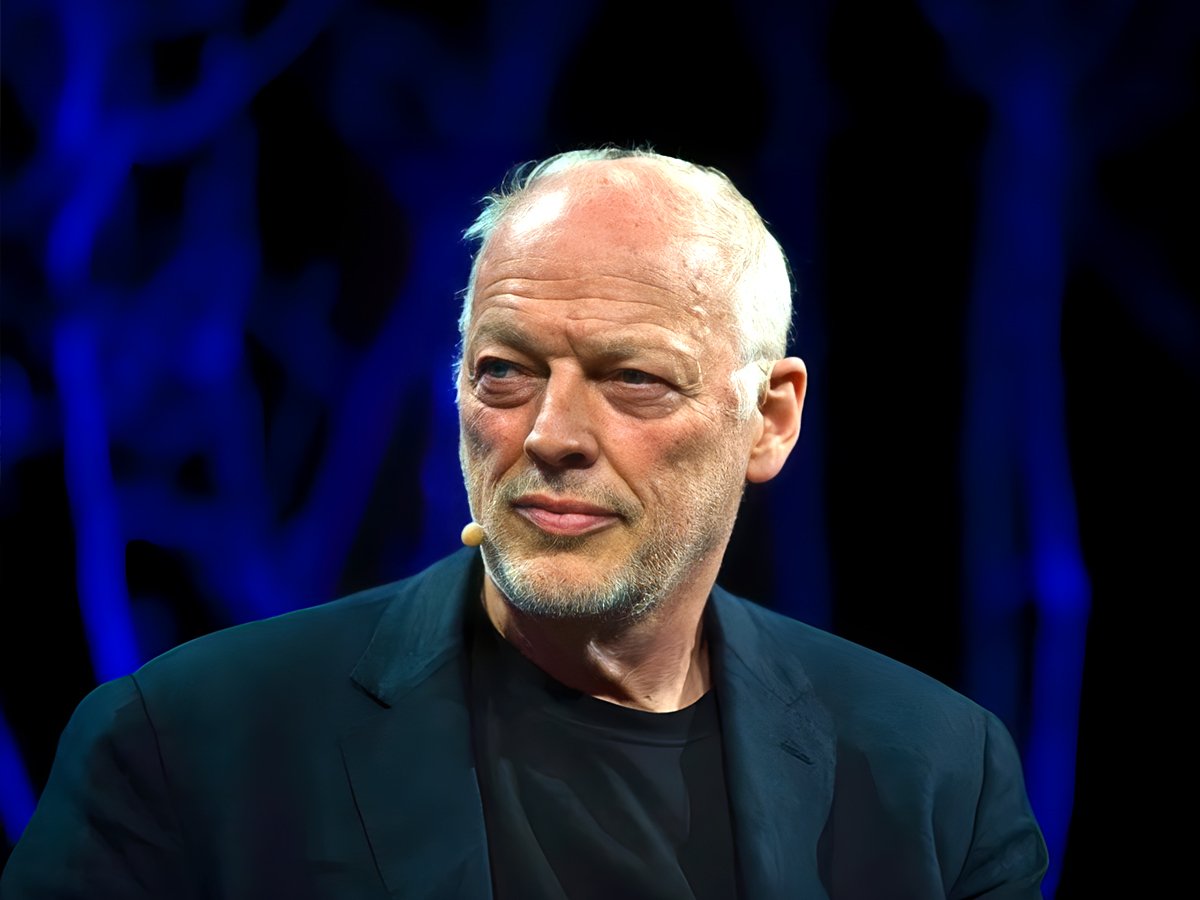
It’s hard to think of someone like David Gilmour looking at his music like a competition.
He definitely had his moments where he wanted his voice to be heard on Pink Floyd, but you weren’t going to see him throwing down the gauntlet and taking part in a guitar duel with any of his fellow legends in the same way that the real virtuosos could. He never thought along those lines, and even when it came time to pay tribute to his heroes, he was still shaking a little bit at the thought of stepping into their shoes.
But looking at Gilmour’s track record for lead guitar, it’s not like he was the blueprint of what people thought of as a guitar hero. There were a handful of moments that have gone down in the history books as the finest solos of all time, but when you look at the beautiful lines on tracks like ‘Time’ or every lick he played in ‘Comfortably Numb’, you can’t really say that they are the fastest lines of all time.
Gilmour simply wasn’t born with that music gene, but even if he didn’t have the dexterity of someone like Jeff Beck or Jimmy Page, he knew how to use his voice the right way. A lot of the best moments on all of Floyd’s albums come from when he’s using the guitar as another voice, most of the time, and when he does have those guitar hero moments, they are often out of the ordinary compared to those who wanted to play the heaviest blues licks they could think of.
Compared to what was going on in the late 1960s, though, Gilmour needed to stand out in some way. Eric Clapton and Jimi Hendrix had changed the way that most people look at guitar heroes with every other record they made, but beyond the most celebrated heroes of his time, Gilmour knew that people like Peter Green were paving the way for people like him to carve out their own voice on the instrument.
Throughout his time in Fleetwood Mac, Green quickly turned into one of the most unique guitar players of his time. Not everything that he played was going to earn him the title of “best guitarist in the world”, but looking at the kind of licks that he threw into songs like ‘Oh Well’ or ‘The Green Manalishi’, they don’t really have their origins in the Clapton playbook or anything. He wanted to create a new musical language, but after years of studying what he did, Gilmour thought he could never hope to do his hero justice.
Even when Mick Fleetwood was putting together artists to pay tribute to Green, he remembered the Pink Floyd icon having some trepidation about playing, saying, “David still has a small home there in London. I wrote him a letter saying, ‘Would you consider …’ Because I knew that he liked Peter’s playing. And you can tell from the deference in his playing, which was sort of out of left field. And I got a lovely letter back, and he said, ‘Well, I don’t know if I’m going to be good enough to step into Peter’s boots.’ Amazing, right?”
Despite his personal hangups, though, Gilmour’s tribute to Green was about a lot more than playing every single note right. He wanted to be able to make something that his idol would have been proud to have played himself, and whereas most of Floyd’s later material could become more focused on building atmosphere, it’s nice to hear Gilmour cut loose like this every now and again.
He may not have played everything in the exact same way that Green did, but that was practically a point in his favour. Because if there’s one thing that Green taught every guitarist that came after him, it’s that it was better to make the music that you heard in your heart rather than copying everyone you heard before.