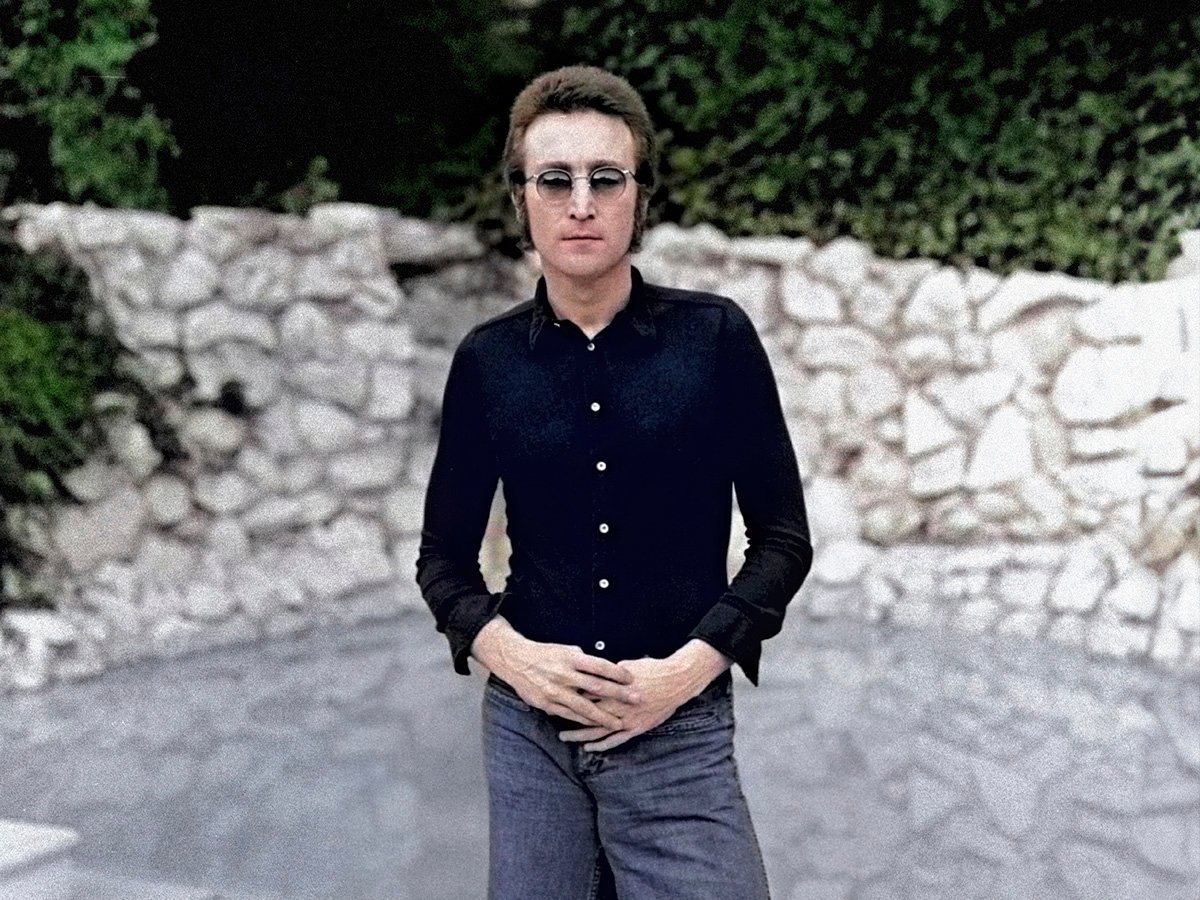
Working with someone like John Lennon would have felt like getting touched by a musical god half the time.
He certainly wasn’t the most accomplished musician compared to the rest of The Beatles, but anyone could have been given a masterclass in songwriting simply by watching him go through his own creative process. But for all of the humility that Lennon had for his gifts in his later life, he knew that there were ways for him to get the best out of any artist he worked with.
But for all of the great iterations of his solo band that he had, nothing was ever going to compare to the magic that he had with the Fab Four. They seemed to communicate via telepathy half the time, and while that no doubt came from them playing night after night in their early days, there’s no way of replicating the kind of chemistry that comes with a bunch of musicians that have known each other since childhood.
By the end of the band’s time together, they were willing to work with almost anybody else when things got touchy. The whole reason why Billy Preston was brought in during the Get Back was to be the glue that held them together half the time, and while it may not have worked every single time they made a record, it’s hard not to see the band come alive when the piano legend got behind the keys.
Even if Lennon could see the potential of adding someone like Preston to the group, everyone knew they would be happier on their own. They had tried everything they could to make it work, but given how ramshackle the first iteration of the Plastic Ono Band was for Lennon, it was like he was trying his best to dismantle everything that he did and turn rock and roll inside out.
And it’s not like anyone would have told him no at the time, either. Klaus Voorman was always the close friend of all The Beatles, and Alan White had lucked into the role of a lifetime before working with the prog legends Yes, but Lennon knew there was a certain magic that came whenever Eric Clapton walked into the room. He had already brought peace to a few Beatles sessions, but after Cream, Lennon figured he could take the guitar legend even further.
When extending the invitation to ‘Slowhand’, Lennon believed that Clapton would be able to tap into something greater in the Plastic Ono Band, saying, “Both of us have been thru the same kind of s***/pain that I know you’ve had—and I know we could help each other in that area—but mainly Eric—I know I can bring out something great—in fact, greater in you that has been so far evident in your music. I hope to bring out the same kind of greatness in all of us—which I know will happen if/when we get together.”
The gigs that the band played with Clapton at the Toronto Peace Festival was certainly a sight to behold, but it’s not like Clapton was meant to do that forever. He had already been working on George Harrison’s solo debut, and with Derek and the Dominos on the horizon, it made more sense for him to focus on his own star power than have to play second fiddle to an admittedly much greater songwriter.
While there were no hard feelings between the pair when they went their separate ways, Clapton did at least look back fondly on the kind of music that they were playing. He could have kept on playing that music for as long as he lived, but there was bound to be a lot more ground for him to cover by following his own muse.