When you’ve been in a band for over 30 years, it’s hard to imagine a scenario where you don’t end up repeating yourself after a while, and for a band of The Rolling Stones’ stature, they would surely find it difficult to avoid treading the same ground every once in a while.
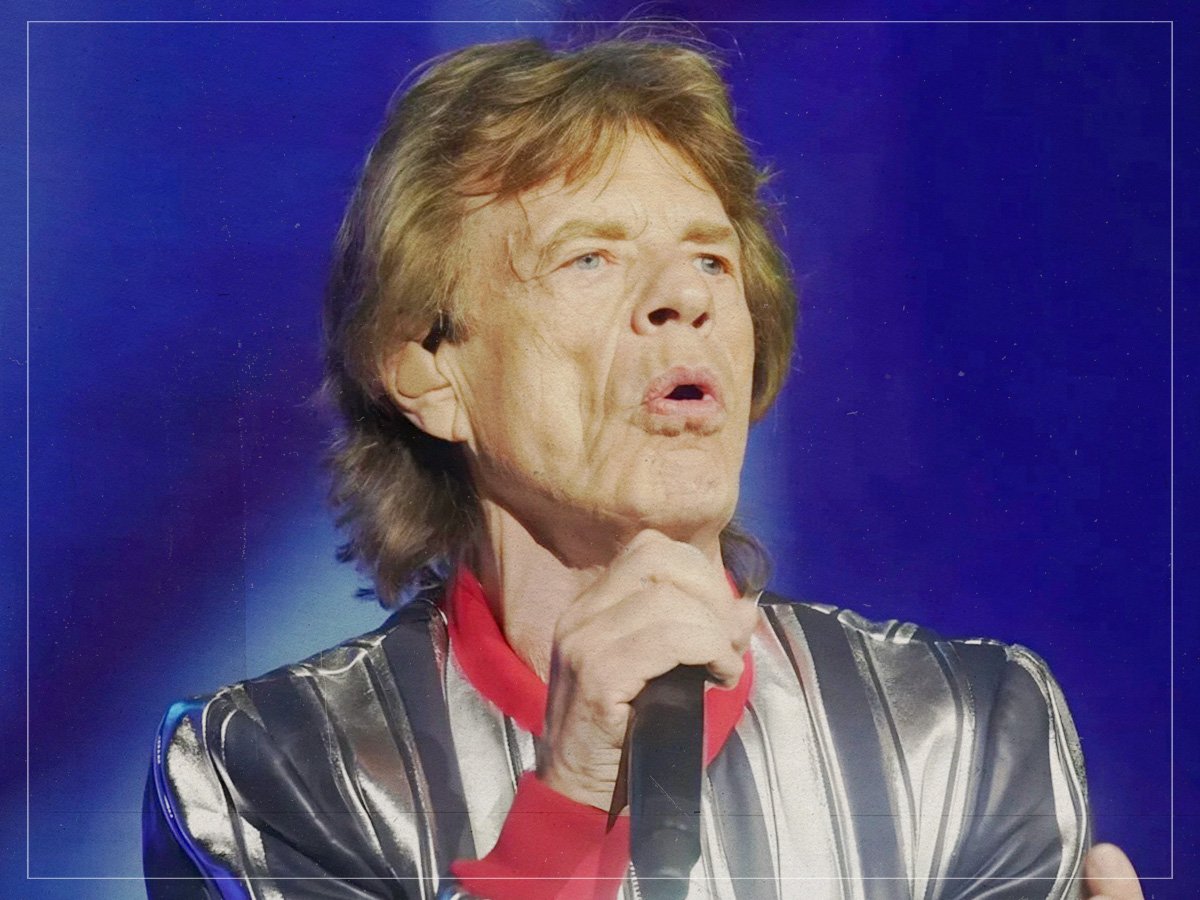
Despite having a few shakeups to their lineup over the years, the band has largely revolved around the same core group of musicians since their inception, and for things not to feel stagnant with so few major changes is a remarkable achievement. With frontman Mick Jagger at the helm, and guitarist Keith Richards as his normally-trusty sidekick, the band would likely have collapsed without either of these lynchpins in place, and one could argue that they were what kept the band alive for so long.
However, when it came to releasing a live album in 1998, the band realised that they had to ensure that they weren’t just delivering the same selection of songs as they had done on previous offerings, and as a consequence, they opted to take something of a risk when it came to the track selection. Rather than treat the album like they would a ‘Greatest Hits’ compilation, the release of No Security ended up presenting a different side of The Stones from what audiences might have expected, which Jagger felt was essential for their continued enthusiasm.
During an interview with Dean Goodman, Jagger revealed the band’s motive for taking a slightly different approach to how most bands would consider the contents of a live album, and while there were elements of it that seemed to work in their favour, there were equally a number of moments that feel flat with audiences who bought the record.
“I let everyone choose,” Jagge explained of the song selection process. “I said, what do you think about this as an idea, that we don’t put on anything that was out on a record since and including Love You Live. They said that was a good idea because that really narrows it down and you’re not repeating yourself. So that came down to 20 tunes in the end.” Love You Live was a live album that the band had put out in 1977, with them having also released three other live records in the 21-year interim.
“We got a lot of choices from Buenos Aires and various places where we played multiple shows, and then when we got to Holland where we had five shows there, we tried to figure out if we need to do this one again, or what if we do ‘Live With Me’ and so on.” Jagger continued. “We were much more analytical, so it was really a group effort. The only thing I did about that was I made this original criteria for not repeating ‘Brown Sugar’ and so on.”
Despite all of their best efforts to ensure that they weren’t repeating themselves by including tracks that had appeared on all of their previous live records, it proved to be a complete failure of a record, with it struggling to sell copies. Had they gone down the route of including all of the fan favourites rather than deep cuts and collaborations with the likes of Taj Mahal and Dave Matthews, perhaps it would have performed better, but considering they’d oversaturated the market with live releases for two decades, perhaps the last thing audiences wanted was to hear The Stones phoning it in on tracks that aren’t among their best.