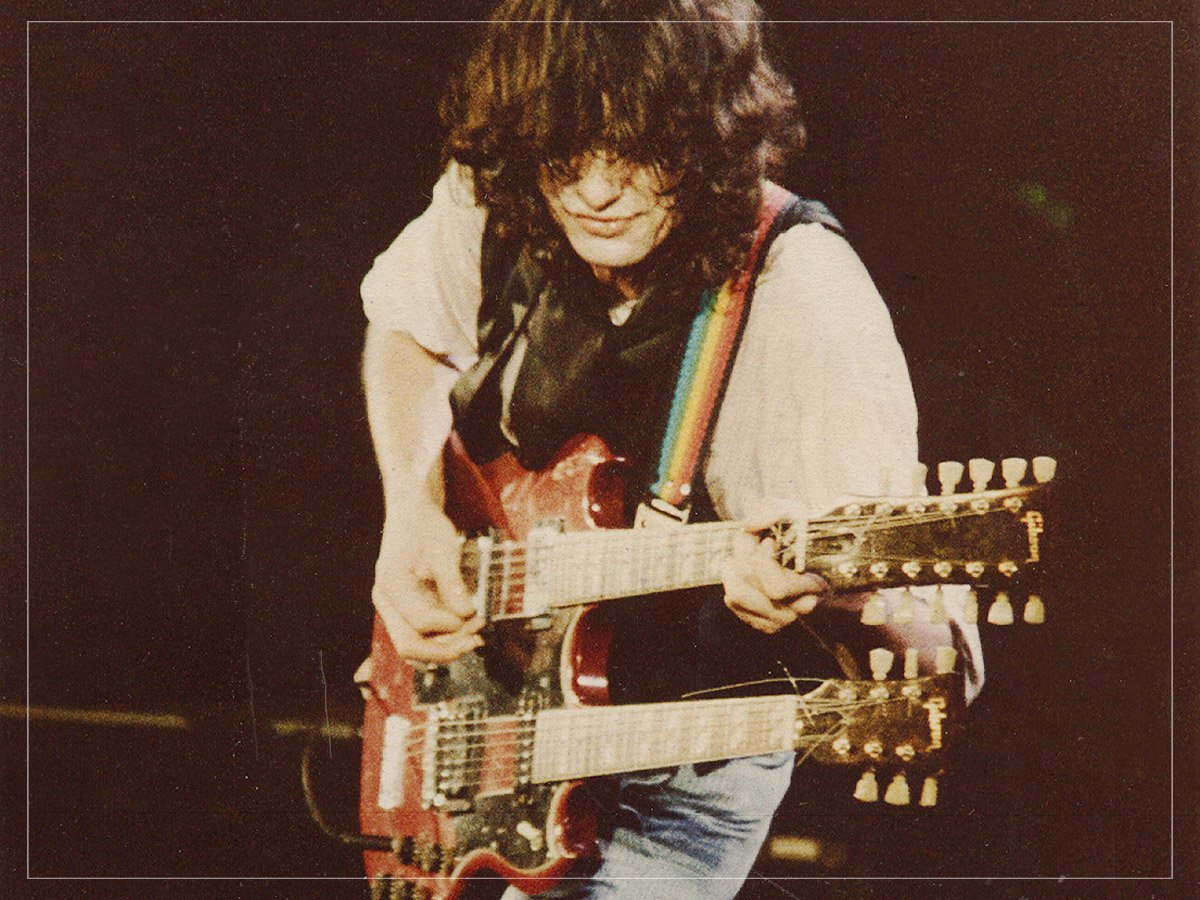
It’s tough for an artist to be at all objective about their own work, where each song and album is forever tainted with personal memories that shape the sound into something else entirely. However, with decades of distance, Jimmy Page thinks he’d had enough space to consider.
Music can never be untethered from life, and life, especially, can never be untethered from memory for both the listeners soundtracking their lives with these songs, but especially for the artists writing and recording them.
Their own songs will always, at least to some degree, sound like a good day in the studio, a bad fight in the writing room, a perfect moment on tour, or even the sour ending that led to the split.
That’s what makes any sort of clear opinion on music tough. It’s almost impossible to actually deem something a song good or bad, or claim to have any kind of universal or objective view on a topic so intensely subjective, which is why a lot of artists will outright refuse to answer the question of their favourite album, or which of their own albums they think is the best; it’s too personal and feels too harsh, like picking a favourite child.
However, Page has a view on which of Led Zeppelin’s children he thinks looks most like them, having an answer for which album he thinks is their most defining, and to him, it has to be Led Zeppelin IV, their 1971 fourth album.
While technically this album is untitled, it’s always been known as the final one in the band’s self-titled series. In that way, it seems to suggest that even at the time, they knew they’d finally nailed something, the sense that they’d achieved what they wanted that run of records to do, and they were now ready to move forward into different choices, having finally proved themselves and made their name.
Page would agree with that as he said, “It’s showing the whole picture of what this band is musically. There’s no doubt about it at this point”. In his eyes, that album was them finally proving what they felt they had to, or wanted to prove, and by the time it landed, they felt like they had now shown all their cards, making their power clear across the entire landscape of rock, ranging from high-octane tunes to moving ballads to trippy experiments.
The opening ‘Black Dog’ is a howling blue rock number that lets Robert Plant wail, and immediately after, ‘Rock and Roll’ is an all-out crowd-moving tune more akin to their youthful influences. Towards the end, ‘Going to California’ is a tender, more folk-informed track, but obviously, the centrepiece is ‘Stairway to Heaven’; the band’s eight-minute-long opus.
“You get the whole feeling of the creativity of this band. It’s just coming in with full force,” Page said about the album, as it doesn’t hold anything back. In only eight songs, the band do everything, and so well that even Page, with his personal memories attached, can’t be shy about it, stating, “It is good, isn’t it?”