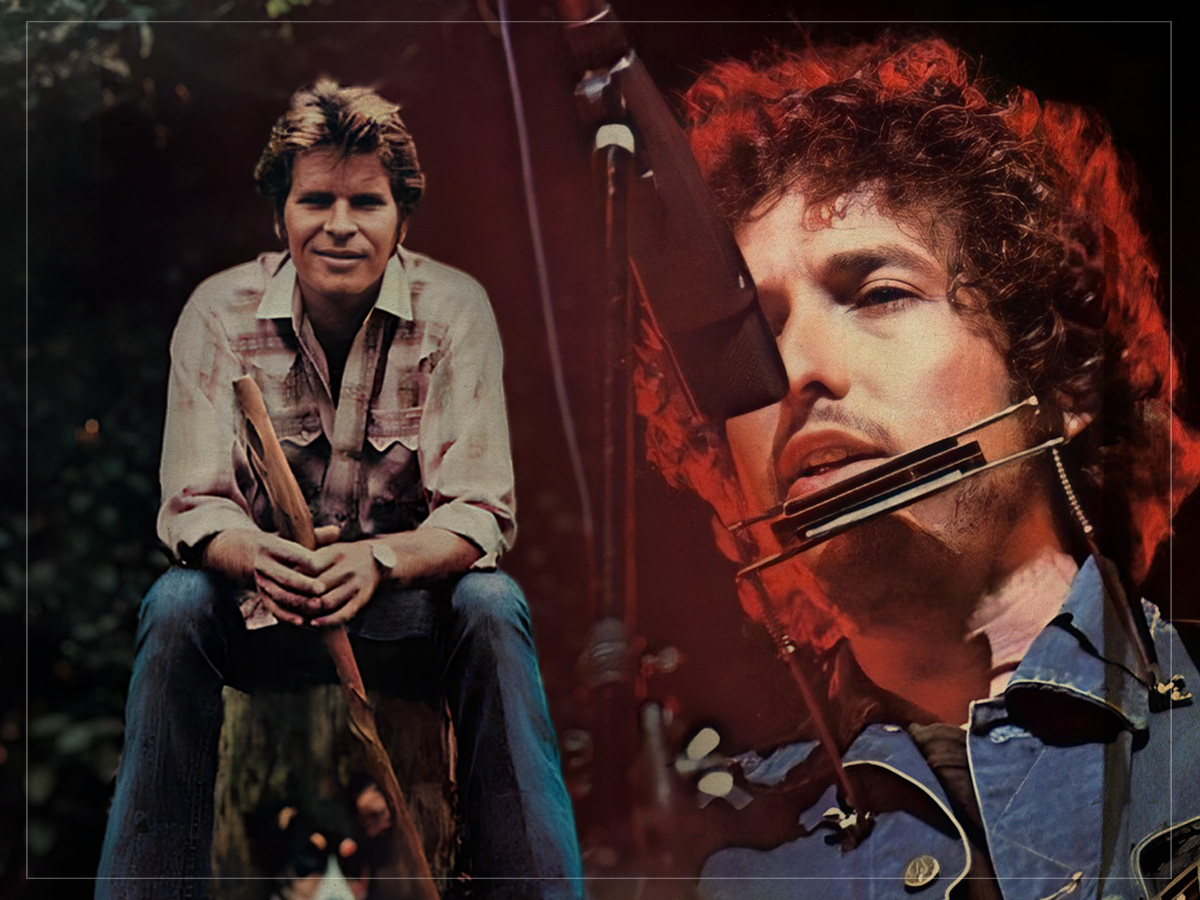
John Fogerty already had a high standard ahead of him if he wanted to be known as one of the greatest songwriters of his generation.
There are plenty of great tunes in CCR’s discography, but when looking at their early days before their debut album, there was no way they were going to get anywhere close to the likes of The Beatles or anything. But if they managed to get the right chords together, their tunes about everyday life were bound to go far beyond the simple bayou country.
After all, Fogerty already had a firm grip on melody, but while his holler was one of the best guttural voices in the music business, it’s not like their first album was exactly going to be setting the world on fire or anything. They clearly were working out the bugs still but when Bayou Country officially dropped, they finally had the kind of tunes that fit their style. Never too heavy for the mainstream, but always having that rustic feeling that reeked of pure Americana.
For all songwriters, though, there’s always a certain circumstance that helps push them over the line when making their greatest tunes. McCartney had ‘Yesterday’ come to him in a dream, and Robert Plant said that he was practically not in control of himself when writing the lyrics to ‘Stairway to Heaven’, and Fogerty was dealing with the real danger of getting drafted when working on his first records.
So when he finally got a letter saying that he was no longer needed for the war, it may as well have been a miracle sent directly to his door. He never wanted to fight in the first place, and the minute that he got back home with a guitar in his hand, ‘Proud Mary’ ended up pouring out of him without even thinking about it.
When he finally came up for air, Fogerty could finally say with confidence that he had written an iconic tune, saying, “I looked at the page and I went, ‘John, you’ve written a classic.’ I had never written what I considered a song like the greats, like Hoagy Carmichael or Lennon and McCartney or Bob Dylan. My whole life, I wanted to get there, be like them, but I also knew that none of my songs were good like that. And now I’m looking at one that is. It’s just mysterious to me how that happened.”
While comparing one’s self to Dylan and The Beatles isn’t something anyone should take lightly, it’s not like Fogerty doesn’t deliver here. The chords are incredibly simple, but when paired with his laid-back vocal, it’s hard to think of the song without wanting to roll down the river with him without a care in the world. It may have been a bit too simplistic for some critics, but it’s not like Fogerty was half-assing anything when he wrote one of their records.
Because even if the albums didn’t have the same conceptual pieces as The Beatles or the stunning lyricism of Dylan, it’s much more about the way it made so many people feel. They made records the old-fashioned way half the time, and when exploring some of their deep cuts, there are tunes on their later records like ‘Lodi’ and ‘Who’ll Stop the Rain’ that could easily compete with what Fogerty started on ‘Proud Mary’.
Although Fogerty practically doesn’t own the song anymore thanks to what Tina Turner did to it later on, it does serve as the mission statement for what CCR were going to be. They weren’t expected to be one of the flashiest bands in the world, but there’s no shame in being the every-band for the everyman.