In the age of incessant reunions, it felt as though we peaked this summer. Because, with what is possible in the modern world, it quite simply doesn’t get any bigger than Oasis getting back together.
The two bickering brothers from Manchester finally put their differences to one side in the name of music and money, to deliver a string of shows that fed the appetite of hungry fans. No, despite my cynicism about the financials of this move, I can comfortably say that everything about this reunion was perfect. The genuine merit and need for their music right now, combined with the drama of their storyline, meant their reconciliation hit all the right notes.
Maybe also, though, it’s because it was done right, during a time when I felt somewhat fatigued by the incessant reunions. Over-hyped reconciliations, driven by nostalgia, seem to populate the column inches of most musical discourse now, and as someone who firmly pledges their faith in the future of music, I felt let down by society’s misguided need for the past.
Because let’s face it, there are important considerations to be made when deciding upon a reunion. Who does this benefit? Will the music sound good? How will it impact our legacy? All three of those questions linger with equal weight and realistically, and all of them must be answered resolutely before continuing forward. Unsurprisingly, the godfather of modern music, Paul McCartney, understood that clearly.
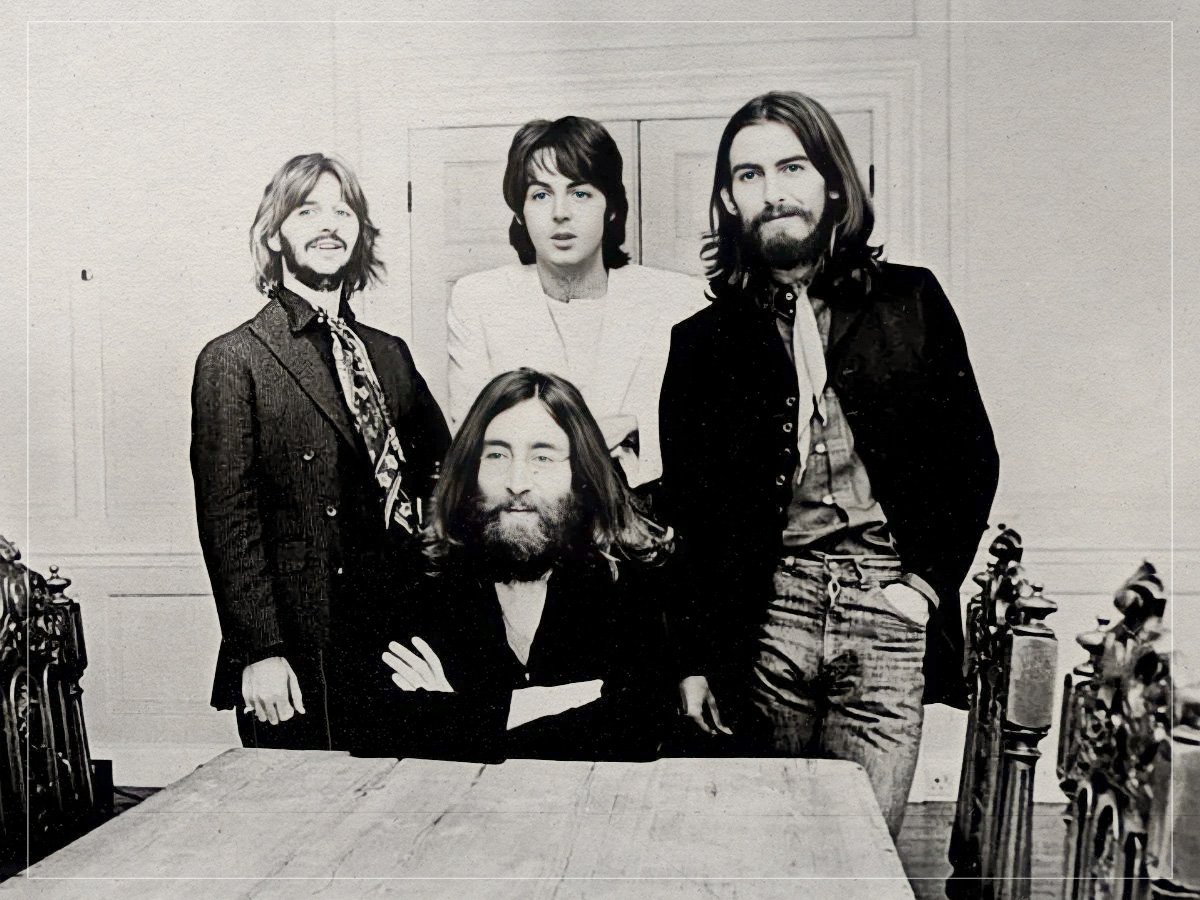
In 1971, the dust from The Beatles’ breakup hadn’t yet settled. The musical world was still figuring out how to carry on without the founding fathers of pop music in their presence, and so the atmosphere was delicate to say the least.
Moreover, it was the year when each of the individual members began to crack the idea of solo artistry. George Harrison’s All Things Must Pass had not long been released, Paul McCartney’s second attempt, RAM, was a songwriting delight, even without his contemporaries, and John Lennon’s Imagine proved his creative darkness was best explored through independence. As sad as it was that The Beatles had split, this was an intriguing new future.
But on August 1st, 1971, when George Harrison had put together his Concert For Bangladesh, in New York’s Madison Square Garden, event organisers and sponsors saw an opportunity to create a seismic cultural moment, just one year after the break-up. Putting The Beatles, as solo artists, on the bill was mooted among executives and eventually proposed to each of the members, only to be swiftly turned down in the name of charitable modesty.
“You know I was asked to play George’s concert in New York for Bangla Desh and I didn’t,” Macca explained. Adding, “Well, listen. Klein called a press conference and told everyone I had refused to do it – it wasn’t so. I said to George the reason I couldn’t do it was because it would mean that all the world’s press would scream that the Beatles had got back together again and I know that would have made Klein very happy.”
It would have surely raised money, but perhaps distracted from the purpose in doing so, and ultimately, McCartney’s decision was the correct, more conscientious one.