Of course, we all like The Beatles.
That much is a given for any music fan, and so renders any pub discussions over whether you think they’re worth the hype or not, useless. What follows is something more specific, maybe like “Do you prefer John or Paul?” or “What is your favourite Beatles album?”.
While the first question is one I like to avoid, for there isn’t truly a correct answer there, the second I wait for with bated breath. Almost as though I’m a sprinter in the start blocks waiting for the gun, I barely let the asker get to the final syllable before delivering my answer, which is, of course, Revolver.
Sure, it was the moment the band took the step forward into the world in which they became most interesting, with songs like ‘Tomorrow Never Knows’ smashing the conventional boundaries of songwriting and ‘Eleanor Rigby’ expanding their orchestral consciousness. But at its very essence, it showcased their best songwriting. Beneath the newfound thrills were masterful melodies that were patient and precise.
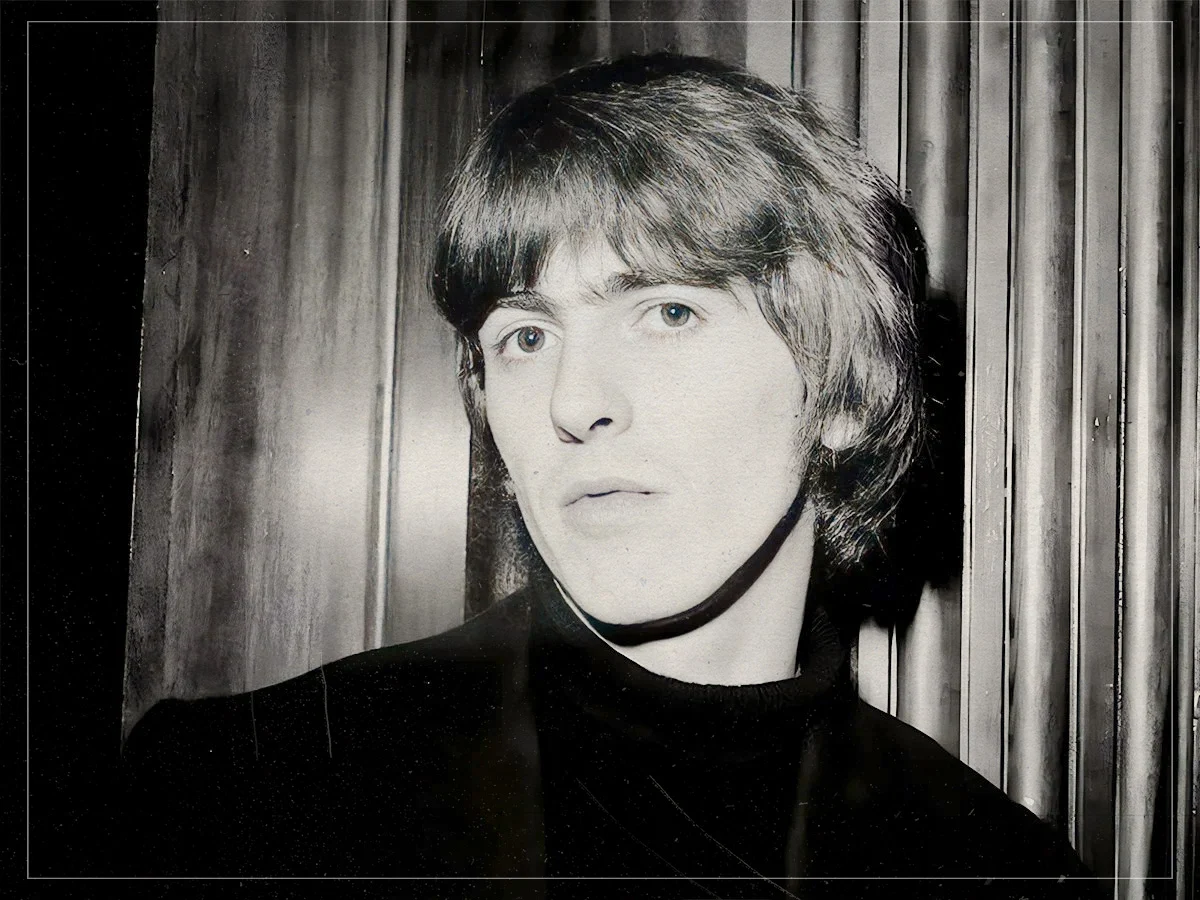
But on the crucial fourth track, ‘Love You To’, we got a window into George Harrison’s soul. One that had recently spent time in India with Ravi Shankar, altering his consciousness and developing his own artistic voice. The importance of that trip to the far east simply cannot be understated in how Harrison later perceived music, and for it to be utilised in such a brazen way on a Beatles album would have surely given him hope about where he fit in the songwriting picture for future records.
But while this great new wave of experimentation on Revolver did give way to what many view as their greatest album, Sgt Pepper’s Lonely Hearts Club Band. Bursting with colour and unbound by limitations, it saw The Beatles, or should I say, Paul McCartney, at his vibrant best. Because in many ways, it was Paul’s baby and his hellbent pursuit of greatness on that album was only really tempered by the contributions of his trusted songwriting partner Lennon.
Harrison on the other hand, was subjected to his traditional role and thus felt as though his new songwriting tools, sharpened in India were left unutilised. Which makes it unsurprising that he holds little to no fondness for the album.
“In a way, it felt like going backwards. Everybody else thought that Sgt Pepper was a revolutionary record – but for me it was not as enjoyable as Rubber Soul or Revolver, purely because I had gone through so many trips of my own and I was growing out of that kind of thing,” he said.
It’s a tale of two sides, for Harrison saw it as a musical landscape where his ideas didn’t align, while McCartney himself saw it as more negligent altogether. “George wasn’t very involved in that album,” McCartney would say later. “He just had one song. It’s really the only time during the whole album, the main time, I remember him turning up.”
Come 1969, and the album that large portions of Beatles fans consider their true greatest, Abbey Road, Harrison would musically prove his worth by delivering a handful of songs that not only added to the album itself, but rival McCartney’s as some of the greatest of all time.