There are plenty of rock bands who are always happy to rest on their laurels and only continue to release music in the same vein without challenging themselves or the status quo, but when it comes to the exploits of Queen, they were always striving to find ways to push the genre forward.
Forever making their work more ambitious and incorporating elements of progressive rock, glam and even classical music, Queen were perhaps always one of the most ambitious bands to gain mainstream success, and their over-the-top presentation of these sounds was ultimately what gained them a fanbase. People enjoyed the theatrical nature of their music, designed to fill stadiums but also be visionary in the way it tried to predict future trends in the musical landscape.
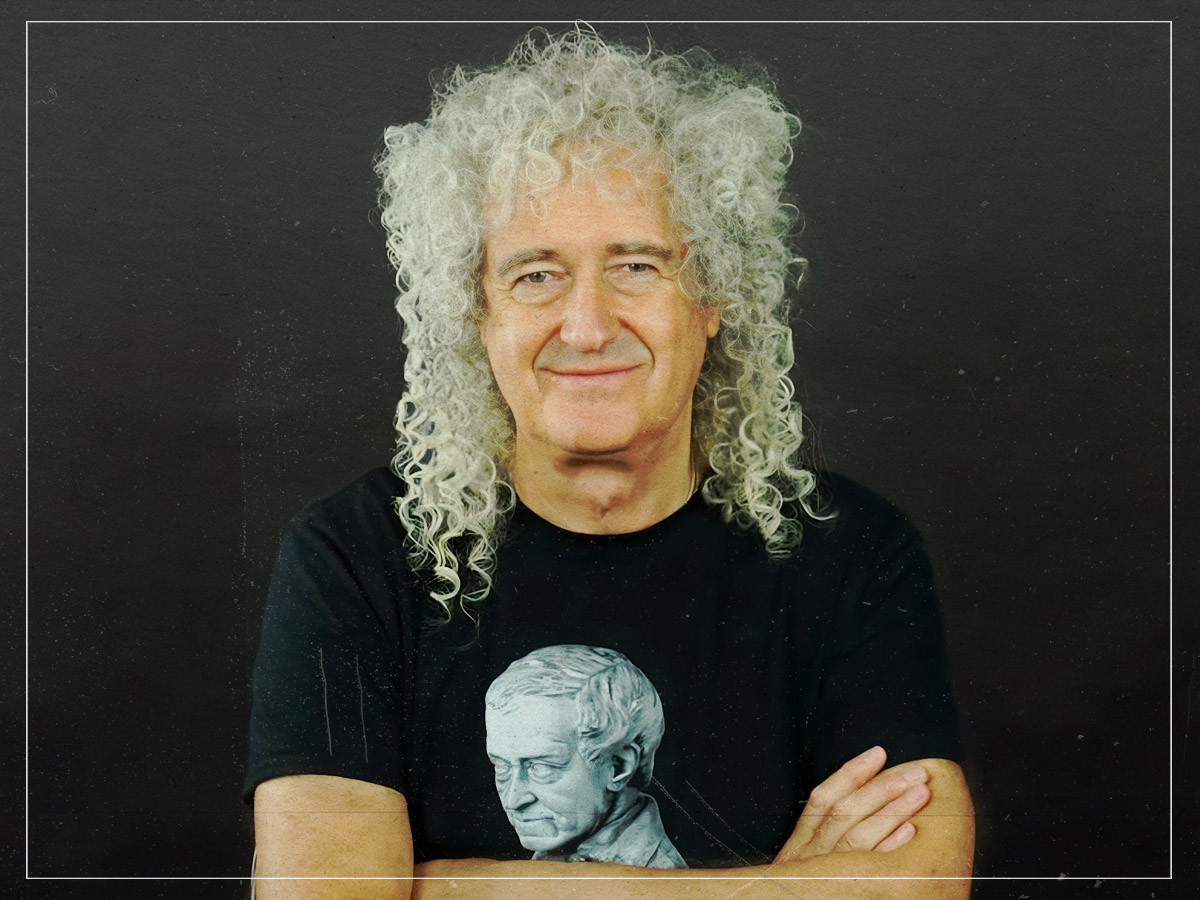
A large amount of credit is often given to Freddie Mercury for injecting this appetite for making grandiose music into the band, but that’s not to say that the other three members didn’t provide a significant amount of input into this as well. As the member with the second-greatest stake in the songwriting duties, guitarist Brian May was also responsible for introducing a classical flair into these rock songs, and with both of their respective angles, things were destined to be elaborate.
Queen’s celebrated lineup would ultimately disband after the passing of Mercury in 1991, and while they’d continued to push boundaries right up until his final days of recording while struggling with illness, this breakup meant that May had unfinished business to see to, with him ultimately embarking on new projects that explored avenues he had always wanted to pursue.
One of these projects saw him working alongside musical theatre star Kerry Ellis on her first solo album, 2010’s Anthems, which saw her cover a range of showtunes in a symphonic rock style, all produced and arranged by May, with him contributing much of the music. While this blend of theatre, rock and classical wasn’t a million miles away from what Queen had already done as a group, May believed that this was the next logical step for him to take as an artist, and claimed that it acted as a prophesy for where rock music would go.
“To me, it’s the next step, where the guitar sits in a different place, where rock meets orchestra,” May later told Guitar Player in a 2021 interview. “Ten years of development went into that, so I do feel very proud of it. It’s not a great seller – so far anyway – but I’m as proud of the work on that album as anything I’ve done.”
He then went on to comment on how it wasn’t just his own inclination that rock would combine with orchestral music, and that another guitar hero had also expressed a desire to record in this manner. “I read that Jimi Hendrix talked about that idea of combining guitar with orchestra before he died,” he continued.
“I find it absolutely riveting when you get it right, and everything seems to organically fit together – all out guitar and all out orchestra.”
While it hasn’t quite taken hold of the rock world in the way he imagined it would, there’s still no denying that the way he and others have done it creates a unique crossover that is ripe for further exploration.