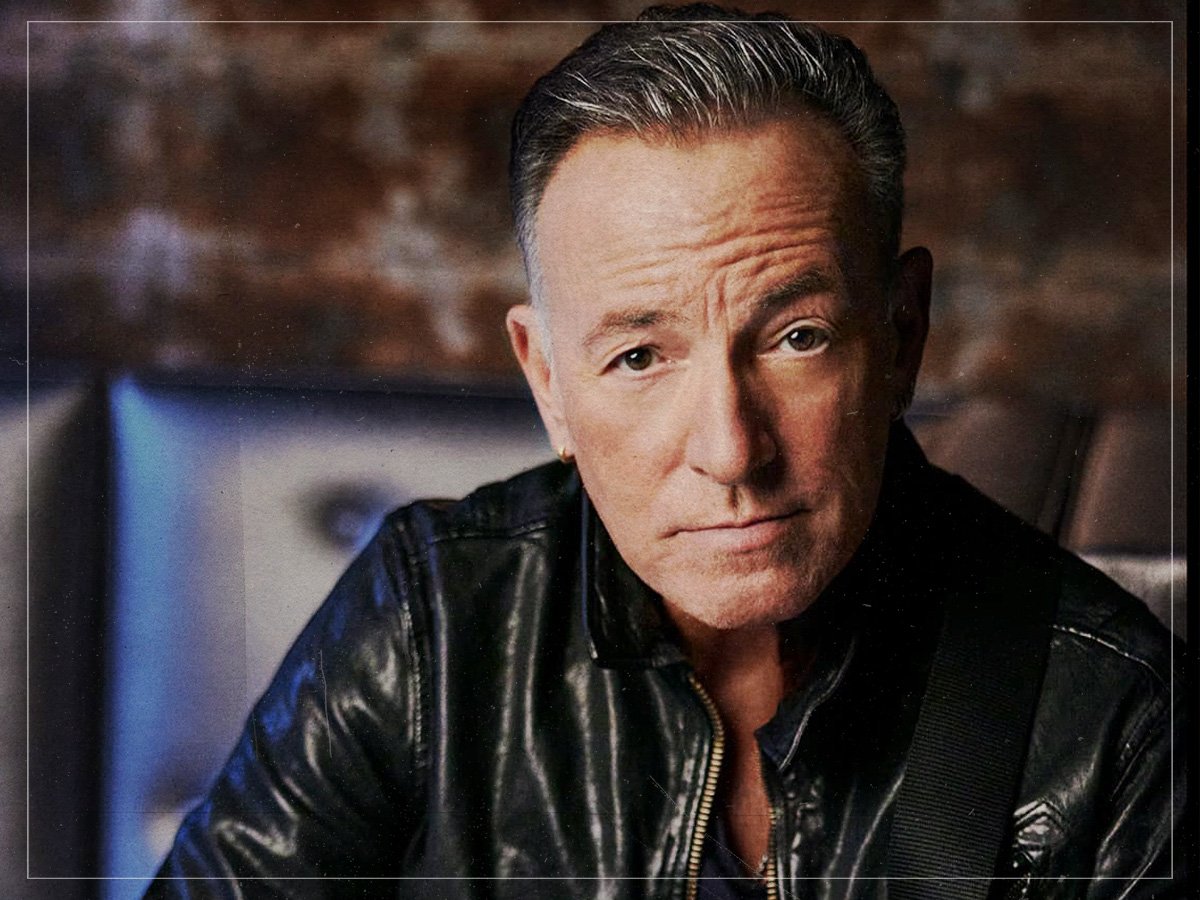
From music production to music business, there is a wealth of university courses covering virtually every avenue of the music industry in the modern age. Back in the early days of Bruce Springsteen, though, all of that education was gained simply by spending your life glued to a radio.
Anybody who has ever had the pleasure of viewing ‘The Boss’ live and in the flesh can attest to the fact that the New Jersey songwriter was always destined to be a performer. Admittedly, that inherent skill does come from his multiple decades of touring, recording, and performing all across the globe. If you strip away all that experience, though, the core appeal of Springsteen has always been tied to the musical education he soaked up during the vibrancy and uprising of his younger years in the 1960s.
A cultural shift occurred back in 1960s-era America, with political causes like the civil rights and anti-war movements rapidly bleeding over from grassroots protests to the cultural consciousness of the pop charts. Even a band as pop-centric and, during their earlier years, seemingly apolitical as The Beatles seemed to inspire a cultural shift when they burst, twisting and shouting, onto the scene. Couple that with the inspiring political soul of folks like Aretha Franklin or Marvin Gaye, and you begin to see just how inspiring and education an age the 1960s was for somebody like Bruce Springsteen.
Springsteen has routinely wheeled out the anecdote of watching The Beatles perform on The Ed Sullivan Show in 1964, and how that iconic televisual event altered the course of his life indefinitely. Aside from the Fab Four, though, the other great love of ‘The Boss’ during those formative years was the landscape of soul and R&B music, particularly the infectious sounds emanating from the studios of Motown and Stax Records.
Those two soul empires were virtually unavoidable during Springsteen’s youth, dominating the weekly pop charts with a litany of now-iconic figures ranging from The Supremes to Otis Redding. One of the most essential outfits in Springsteen’s musical education, however, came from outside the realm of Detroit or Memphis. During his keynote address at SXSW Festival back in 2012, the songwriter heaped undying praise on the often overlooked excellence of The Impressions.
“There’s a beautifully socially–conscious soul of Curtis Mayfield and the Impressions,” he declared, per Rolling Stone. “‘We’re a Winner’, ‘Keep On Pushin”. Just great, great records that just filled the airwaves at a time when you couldn’t have needed them more.”
In fact, those tracks were so essential that the songwriter even cited one as being his key education. “‘It’s All Right’. It was the soundtrack of the Civil Rights Movement,” he shared. “And it was here, amongst these great African–American artists, that I learned my craft.”
Explaining, “You learned how to write. You learned how to arrange. You learned what mattered and what didn’t. You learned what a great production sounds like. You learned how to lead a band. You learned how to front a band.”
“These men and women, they were and they remain my masters,” he concluded. As far as a musical education goes, you cannot ask for much more than what was delivered by the soul scene of the 1960s. As Springsteen stated, every aspect of those pop-centric compositions seemed perfect and utterly life-changing, and their inspiration has followed ‘The Boss’ throughout his life – a fact which was beautifully surmised by his 2022 album Only The Strong Survive, composed largely of cover versions of 1960s soul classics.