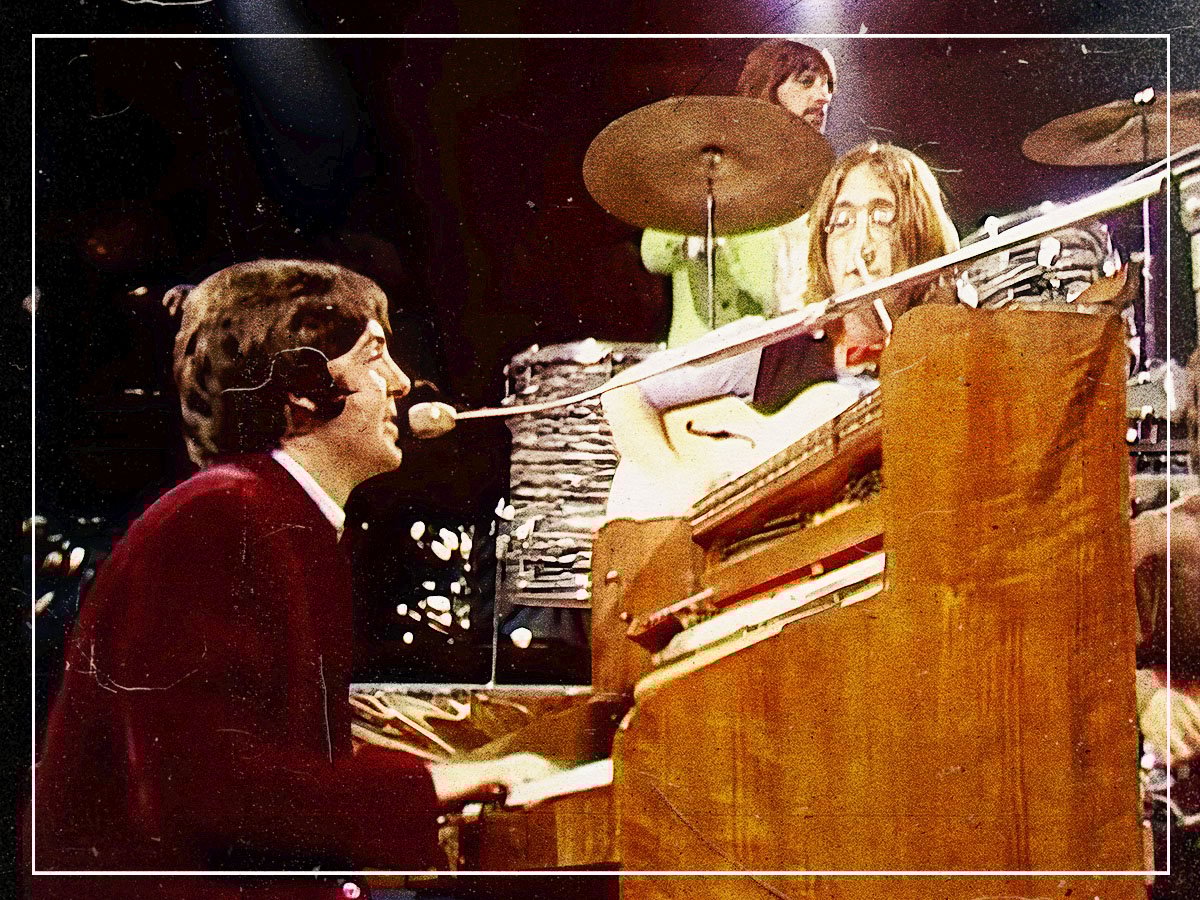
A song is never etched in stone. That’s a trick of the modern age of recorded music where the version released is often confused for the only version. In truth, right up until a record hits the shelves, even a song as monumental as ‘Hey Jude’ by The Beatles is constantly changing.
In fact, it was a key tenet of the Fab Four’s songwriting that they rarely went to work with something even approaching a fully formed song. Collaboration and the exuberance of alchemical creative flow is what galvanised grains of ideas into masterpieces.
That was very much the case with ‘Hey Jude’. Although Paul McCartney had largely conceived of the song on his own, it was still graced with the liberty of creative wiggle room. Initially, he had kept it rather close to his chest for good reason.
The song originated in May 1968, during a time when John Lennon was settling his separation with his first wife, Cynthia. “I started with the idea ‘Hey Jules’, which was Julian [Lennon’s first son], don’t make it bad, take a sad song and make it better,” McCartney said in an interview with Barry Miles in 1997.
“Hey, try and deal with this terrible thing. I knew it was not going to be easy for him. I always feel sorry for kids in divorces,” he explained. McCartney then continued to work on the song alone as Lennon spent all of his hours with Yoko Ono. By the time that he presented his song to the band in July, he pretty much had it entirely finished, making ‘Hey Jude’ one of the few songs that was almost entirely written by one member of the Fab Four in isolation.
Yet, it was the same collaborative spirit that made them a force like no other that helped to capture its magic. While it is often said that McCartney was near-enough operating as a solo entity by this point, that nation is belied by the backstory of his “na-na-na-na” masterpiece. When he brought it to the studio, he was still open to guidance on a few key lines.
During a run through of the song for Lennon and Yoko Ono at his apartment on Cavendish Avenue, he sang the eternal line, “The movement you need is on your shoulder,” before quipping, “I’ll change that, it’s a bit crummy.” His bespectacled buddy was dumbfounded.
Lennon had thought that the line, one that heralded the likes of ‘The Revolution Will Not Be Televised’ to come, was one of McCartney’s best. “That’s the best line in it,” Lennon commanded. He sternly made sure that his buddy didn’t change it.
“When someone’s that firm about a line that you’re going to junk, and he said, ‘No, keep it in,’ so, of course, you love that line twice as much because it’s a little stray, it’s a little mutt that you were about to put down and it was reprieved and so it’s more beautiful than ever,” he later concluded.
Now, from a perilous start, the line lives on as one that not only could you not imagine ‘Hey Jude’ without, but as is the case with many of the Beatles’ best, you couldn’t imagine the world without it, period.