For most people, the original Woodstock is seen as having been a triumph in showcasing just how vibrant the counterculture movement had become by the end of the 1960s.
No other festivals of that magnitude had ever been staged at that time, and for the New York festival to be showcasing so many high-profile names such as Jimi Hendrix, Jefferson Airplane and Janis Joplin playing over the course of a weekend to an audience of approximately half a million people is frankly staggering to think of.
Even though festivals on such a grand scale still exist in the modern day, it’s hard to dismiss the ambition that went into the four-day event that took over a dairy farm in Bethel in 1969 as being anything other than revolutionary.
That said, the bonanza didn’t exist without setbacks, and the large-scale disruption that it caused for some of the local residents was ultimately what prevented it from ever being repeated on a regular basis, only ever returning for significant anniversaries rather than as an annual celebration. On top of this, there was plenty of negative press that stemmed from the media, who attempted to create a furore over the fact that legions of hippies had all descended upon the site and were using it as an excuse to take drugs and presumably protest against US involvement in the Vietnam War.
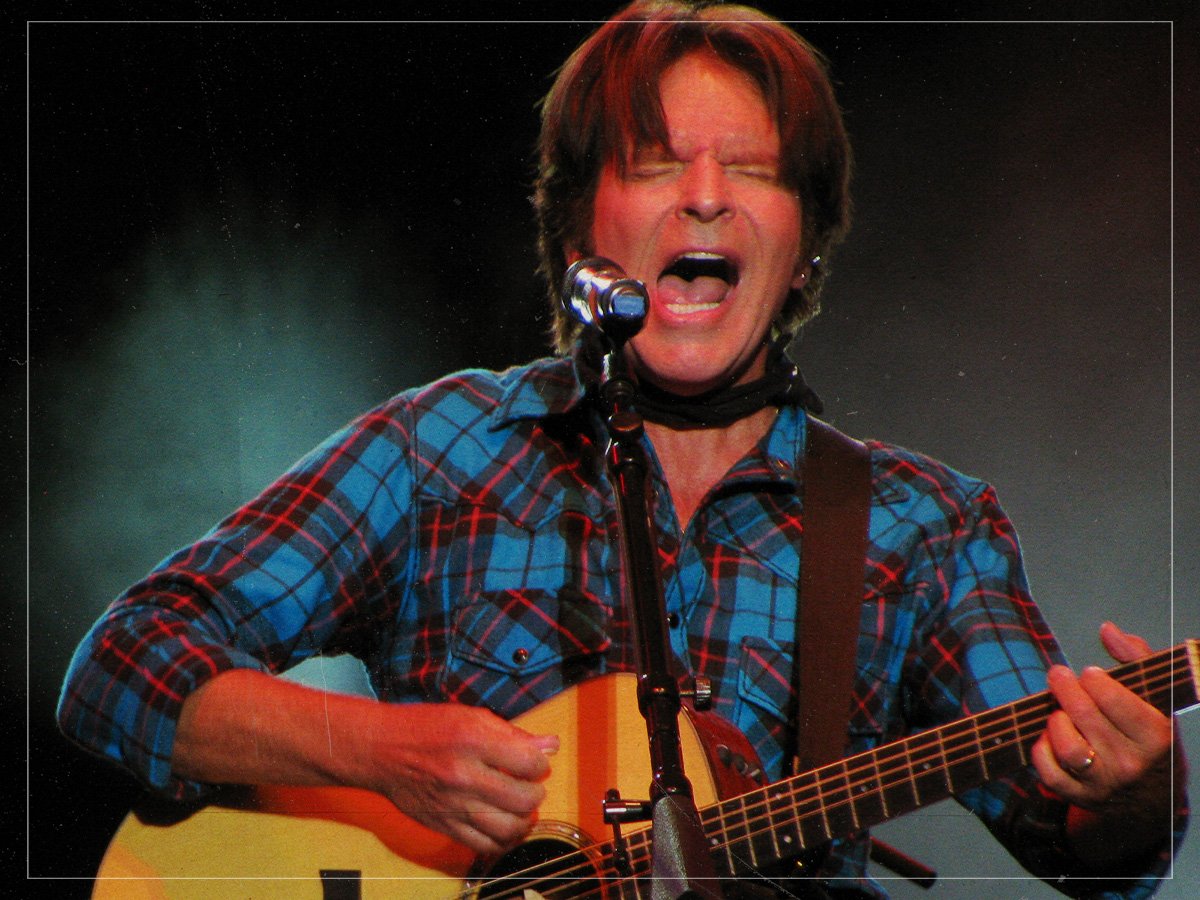
It wasn’t just the people who skipped the festival who were a bit put out – plenty of the artists who actually took to the stage ended up leaving with a gripe or two. Take John Fogerty, for example. He’d been booked in with Creedence Clearwater Revival, but reckoned the organisers had made a right mess of the schedule. And to be fair, he wasn’t the only one who thought things could’ve been handled better.
Prior to the festival taking place, Fogerty and the rest of the band were under the impression that they would be given one of the best slots available for their performance, which delighted the band. However, they would soon come to the realisation that there weren’t any backup scheduling plans should there be any major delays caused by bands overrunning on their allotted time.
“We were promised a prime time on a Saturday night, like nine o’clock,” Fogerty later revealed during an interview with Conan O’Brien. “What they didn’t tell me is, ‘You’re gonna follow the Grateful Dead.’”
Seeing as the Dead were already notorious for playing lengthy sets, it felt as though it would be impossible for anything to have run on time anyway, but Fogerty would soon find out that things were going to be catastrophically out of sync with the schedule.
“Things went sorely wrong after they hit the stage,” he continued. “Everybody was running late, of course. But what they didn’t tell us until the ’90s was they had all taken LSD just as they went onstage.”
Once again, Fogerty could probably have predicted that psychedelic drugs would have played their part in the delays, but he probably didn’t think that Creedence Clearwater Revival would miss their slot by three and a half hours, playing to a half-asleep crowd at 12:30am.