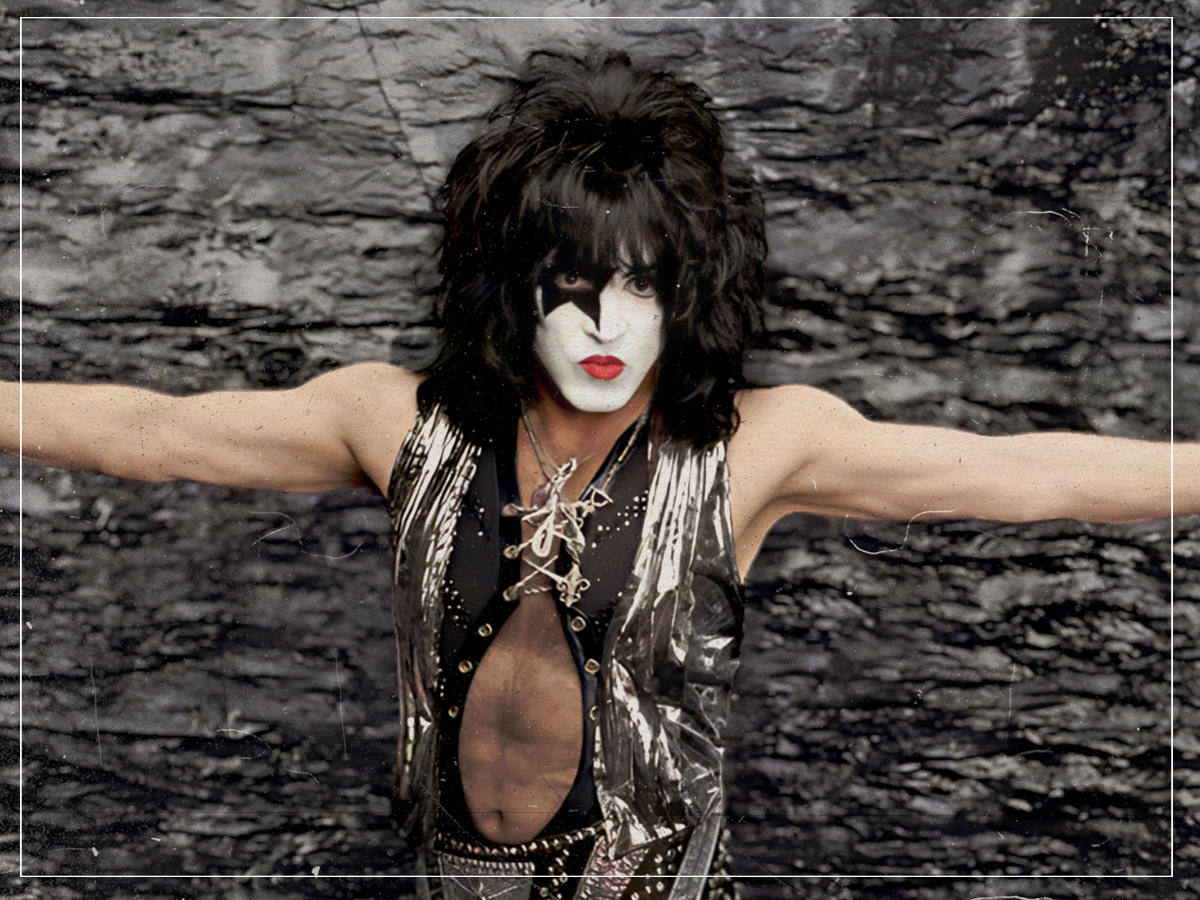
One of the hardest parts of being a creative is that, at the end of the day, there comes a time when the thing you carefully and tenderly made is out of your hands. Eventually, you lose all control. Sometimes that’s great, other times that’s terrible, or in the case of Kiss’ Paul Stanley, sometimes it’s just a letdown.
This is loosely what Roland Barthes was considering in The Death of the Author. It’s the idea that once any form of art is out in the world, it is granted to the public and the artist within it dies. It becomes a thing utterly outside of the people that made it as it now belongs to the ether and their opinions, thoughts and feelings can no longer be at all controlled by the creator, despite all the time and effort they put in, and despite all the hours they likely spent wondering how the public would in fact react to it.
In the world of music, it’s a little different as the artist get to hear that reaction constantly. They hear it in reviews, but mostly they hear it in the reaction of their fans, either as cheers and singalongs at the shows, or it backlash from a gaggle let down by the release.
For the most part, Kiss got the fanfare. Their albums were received well, but overwhelmingly, a Kiss show was always a spectacle of a thing. I highly doubt the band ever really got the suggestion that certain songs weren’t so liked when an entire stadium was busy screaming, or they were busy having any awkward silence drowned out by the boom of pyrotechnics.
But still, there was one record that left Stanley feeling strange and let down. It wasn’t that it was received badly, it was more that after so much effort going in, the payoff simply didn’t feel enough.
“I think Revenge is a fabulous album,” Stanley said, talking about the band’s 1992 album. It was a strange period in their existence, though, as after 1983, they’d ditched the famed makeup and split opinions. It also seemed to split the band to a degree, as suddenly Gene Simmons took more of a backseat and Stanley was in the lead, so it makes sense that he’d feel protective of a record like this, given his more prominent role in its making.
During this transitionary period, though, it felt like the band were having to prove themselves again, as if taking off that makeup made them lose their power, like Samson cutting his hair. To the group themselves, though, they were still the same musicians putting on the same epic shows and putting out the same epic music, as Stanley said, “Everybody was on point, and Bob Ezrin was just firing on all cylinders. We were on a roll. I think we went through some more flamboyant, should I say… costuming, that today looks a bit garish and frivolous, but at the time it was part of what was going on.”
“To survive the long haul, sometimes you need to adapt and modify,” Stanley said, understanding that while it might make fans feel weird, a band has to be like a shark, and it has to keep moving forward. However, that can make for a weird moment like this, where Kiss made a record that Stanley thought was “Really, really good”, but their fans were too busy focusing on what their faces looked like without stars or whiskers or whatever.