In the 1960s, when the world erupted in pop music and the British invasion seemed endless, there were two bands at the top of the mountain: The Beatles and The Rolling Stones.
Of course, in the eyes of the public, there could only ever be one band at the top of the pile, and, of course, this meant that, in the pages of the newspapers of the time at least, The Beatles and The Rolling Stones were bitter rivals.
The circumstances, in truth, were far from black and white and operated in a far more grey landscape. The two bands were naturally competitive and, one imagines, if you’re asked a question about another band routinely in your interviews, that a burning feud may begin without too much thought.
However, for the most part, the two groups shared a lot of incredible experiences together and also helped to shape British culture for decades to come. After all, if there was one set of lads from England who could really understand what the Liverpudlians were going through, then it was the Rolling Stones. The only real bone of contention came from John Lennon’s perception of Mick Jagger and co as copyists of The Beatles.
Now, there is a bit of truth to this. The two groups would often follow each other’s marketing patterns and their sonic structures had similarities, so much so that Lennon-McCartney even penned a track for the band. Things would continue too with the Stones’ LP Their Satanic Majesties Request, often being noted as a direct copy of The Beatles’ psychedelic concept album Sgt Pepper’s Lonely Hearts Club Band. But the issues started before that.
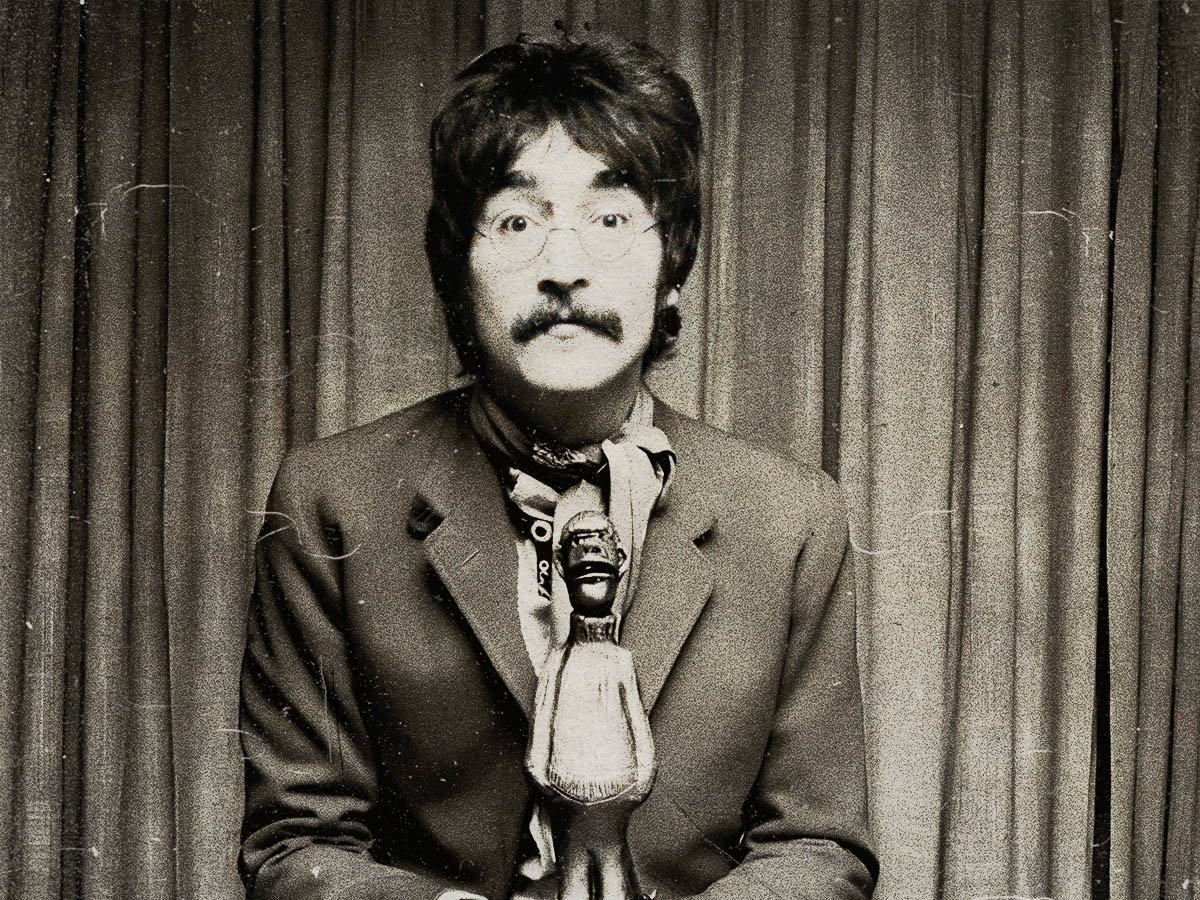
One song, according to many Beatles historians, acts as a depiction of that rivalry, the often forgotten ‘And Your Bird Can Sing’. We can’t be totally confident in the assertion that it was written solely about the Stones. John Lennon was never afraid to share the themes of his music, but this was one song he always neglected to talk about, other than calling it “another one of my throwaways… fancy paper around an empty box.”
The song has, thanks to Lennon’s reticence to discuss it, been attributed a few different theories around its conception.
Who did Lennon write ‘And Your Bird Can Sing’ about?
Some think the song was written for Frank Sinatra, addressing a hagiographic article about the famous crooner that appeared in Esquire magazine at the time, which often referred to his ‘bird’ as his manhood. Considering Sinatra had been seen as the antithesis of the anti-American Beatles, there could certainly have been a bit of Lennon biting back in this song.
Meanwhile, Cynthia Lennon, John’s first wife, has claimed the song was actually written about a gift she had given her then-husband. The present was a clockwork gilded bird within a cage that sun when wound up, Cynthia claiming it left him with “an expression of sheer disbelief” when he opened it. Sadly for Cynthia, considering Lennon, according to Kenneth Womack, viewed the gift as a metaphor for her caging of him in their relationship, it feels like this one may be a little way off.

Certainly, the most salacious interpretation of the song, and perhaps why Lennon refused to discuss it and risk stoking the fires of the pop feud once more, is that it was written in reference to Mick Jagger and The Rolling Stones. In Steve Turner’s book on The Beatles, Marianne Faithfull, Mick Jagger’s ex-girlfriend, claimed that the song was, in fact, directed at the lead singer, referring to herself as the ‘bird’ in the song, a nod to the British slang for a woman. With so many suggestive lyrics, none landing particularly on one theme, there is room for countless interpretations of the song.
Turner points out that Faithfull and Jagger were not in a relationship at the time of Lennon writing the song, however, there is more than enough to suggest that the Beatle’s crosshairs were still firmly set on the Stones and, as he saw it, their copying ways.
It would certainly align with Lennon’s personality. Entirely unafraid to air his grievances within a song, as the years went by, the bespectacled Beatle would often use his poetic pop verses as the battleground for his issues. Just ask his songwriting partner, Paul McCartney.
Could the song be about McCartney?
There is also one more suggestion for the song’s conception: Paul McCartney. Lennon was always at friendly and sometimes unfriendly loggerheads with his longtime friend, and it would often spill out into song.
The line “You’ll say you’ve seen the seven wonders” is, many people suggest, a direct reference to the first time Macca got stoned with Bob Dylan. After taking a few hits, he asked Mal Evans to keep a piece of paper for him, on which he had written down the meaning of life. Awaking the next morning, McCartney read the words: “There are seven levels.”
Thanks to Lennon’s avoidance of claiming the song to be anything other than a “throwaway” we’ll never know the exact spring from which the track came. However, we’d suggest that considering he was never drawn on divulging the song’s central theme, and that he and Jagger had largely patched up whatever differences they had after The Beatles split, that this was a song aimed squarely at The Rolling Stones. Or maybe Frank Sinatra. And quite possibly Paul McCartney too.
The truth is, by this point in his career, Lennon had quite given up on sharing the inspiration for his tunes. He had morphed out of the pop star he once was and was now more concerned with being an artist in every sense of the word. And what artist would reveal the reason behind every brushstroke or every rhythmically policed word?