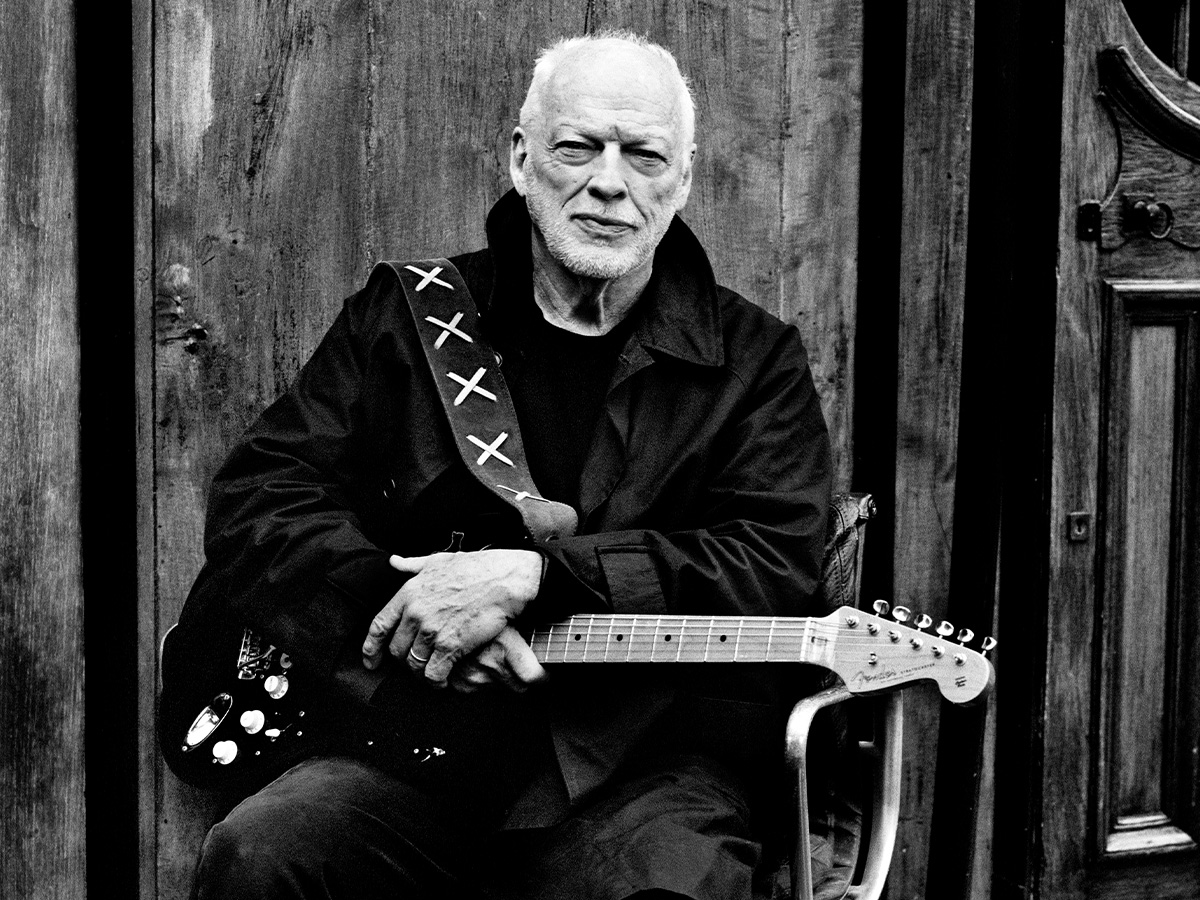
David Gilmour never really needed to tweak any of Pink Floyd’s catalogue if he didn’t want to.
Throughout their golden age, there are a handful of his solos that feel like they are coming from the other side of the world, and it would have been insane for any producer to ask him to do another pass at a solo if there was pure taste coming through his fingers. But even if there were pieces of his lead breaks that are iconic, not everything needs to be committed to memory to be fantastic.
Because as much as Pink Floyd’s songs have a great flow to them, it can get really boring playing everything note-for-note every time you go onstage. The biggest jam bands knew that their music was an ever-evolving entity whenever they played, so it makes sense for them to play whatever they feel in the moment rather than trying to rack their brain through every single note that they laid down in the studio.
Then again, there are bound to be a few fans who would feel shortchanged if they didn’t hear the songs that they wanted to at a concert. Even if the Eagles have earned the right to play wherever they want to, whenever they take the stage, no one wants to sit through every haunting verse of ‘Hotel California’ only to hear Joe Walsh start playing around with the melody without the harmonised parts.
But Gilmour knew when to choose his battles when it came to his lead breaks. A lot of his best moments involved him serving the song in the same way that someone like George Harrison had done in The Beatles, but whenever he started working on the experimental pieces like ‘Echoes’, it’s not like anyone was giving him specific instructions on how to make the strange noises in the middle section of the song.
When Roger Waters had the right idea, though, he wasn’t going to settle for Gilmour fumbling his way through a guitar break. He knew that The Wall was bound to be his magnum opus, and even if it didn’t manage to have the most collaborative spirit in the world, Gilmour knew that he needed to walk away from a song like ‘Comfortably Numb’ with something that he could be proud of laying down.
But whereas the first solo break of the tune is practically a hook of the tune, the guitarist said that he felt no need to repeat what he had done, saying, “I just like it starting the way it starts, and the rest of it sort of so ingrained in me that the various parts of it are going to find their way into what I’m doing. But I’ve never learned it. I mean, there are a lot of guys who can play that. But I don’t play it. To me, it’s just different every time. I mean, why would I want to do it the same?”
Admittedly, there are some stellar versions of guitarists playing it note-for-note, but whenever Gilmour played the tune live, it felt like a completely different animal. As much as the version on the record is fantastic on its own, the solos that he performs on the live record Pulse as well as his performance at Live 8 are both stellar takes on the tune, even if it’s not right on the money every single time that it plays.
If anything, the fact that he keeps switching things up actually makes the tune that much better every time it’s live. No one really knows what to expect whenever Gilmour is playing the tune, but when it finally takes off, it’s one of the few solos in rock history that feels like stepping into a rocketship.