The Beatles were a band that didn’t just make great music but also pioneered a way of thinking for plenty of other music lovers.
Andrew Loog Oldham, manager for The Rolling Stones, once spoke about how much of an influence The Beatles were on people around the time of the British invasion. “There was no real future for a British band before The Beatles appeared on The Ed Sullivan Show in February 1964,” said Oldham when discussing the Fab Four’s influence.
Adding, “That was the turning point, after which there was an avalanche […] It totally transformed the possibilities, and as usual, The Beatles were the frontrunners. In music, there is The Beatles, and then there is everybody else.”
This was one of the initial ways that the Fabs managed to influence the music industry, but the hold they would have over it didn’t stop there. Everything from the way they dressed, acted, and also put together music trickled down into the industry and continues to be heard today. One of their main contributions was the true shaping of what was meant by a ‘concept album’, and how a band can commit themselves to a whole record rather than just individual songs.
Before the ‘60s, the majority of artists merely looked at their albums as a means to collate their singles. It wasn’t until The Beatles (and some of their contemporaries) that people started viewing albums as whole bodies of work with a connecting theme to allow people some kind of story or narrative to follow, rather than just listen to a bunch of songs.
When they released Sgt Pepper’s Lonely Hearts Club Band, they showed just what the album as a piece of art, including the cover, was capable of. The songs introduced characters and told their stories, throwing listeners into an aural landscape hitherto unfamiliar, and The Beatles did this by writing from the point of view of an imaginary band they conjured. Since then, many have used the concept of an album as a foundation to explore various themes and production techniques through music.
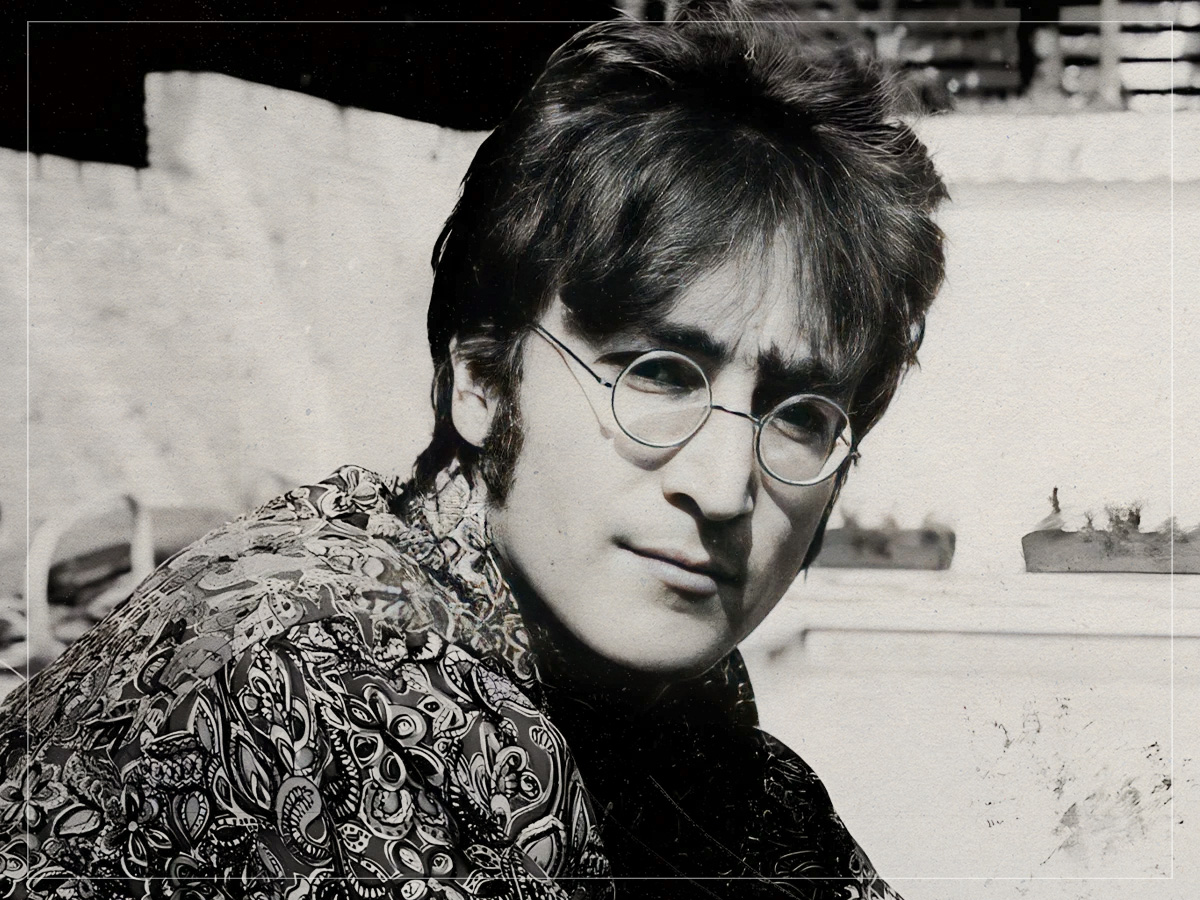
Given how much the band managed to contribute towards the way creatives and consumers viewed albums, it’s interesting to find out that John Lennon never had much of an affinity for them. The famous songwriter, it turns out, had a commitment towards songs, and songs alone. The journey he could take a listener on, and the journey other musicians could subsequently take him on within the three-minute runtime that songs usually abided by, was enough to get Lennon excited about music, and there were very few albums he actually listened to all the way through.
Of course, with every rule, there always comes the occasional exception. Lennon had time to submerge himself in the albums of those who had come before The Beatles and subsequently inspired them. Even though these records might not have had the continuity that LPs had after The Beatles, they still spoke to Lennon more than any others, particularly the work of Elvis Presley and Carl Perkins.
“The only reason I make albums is because you’re supposed to,” Lennon concluded. “I haven’t really got into somebody’s album since I was into Elvis Presley and Carl Perkins, and even then singles were always the best.”