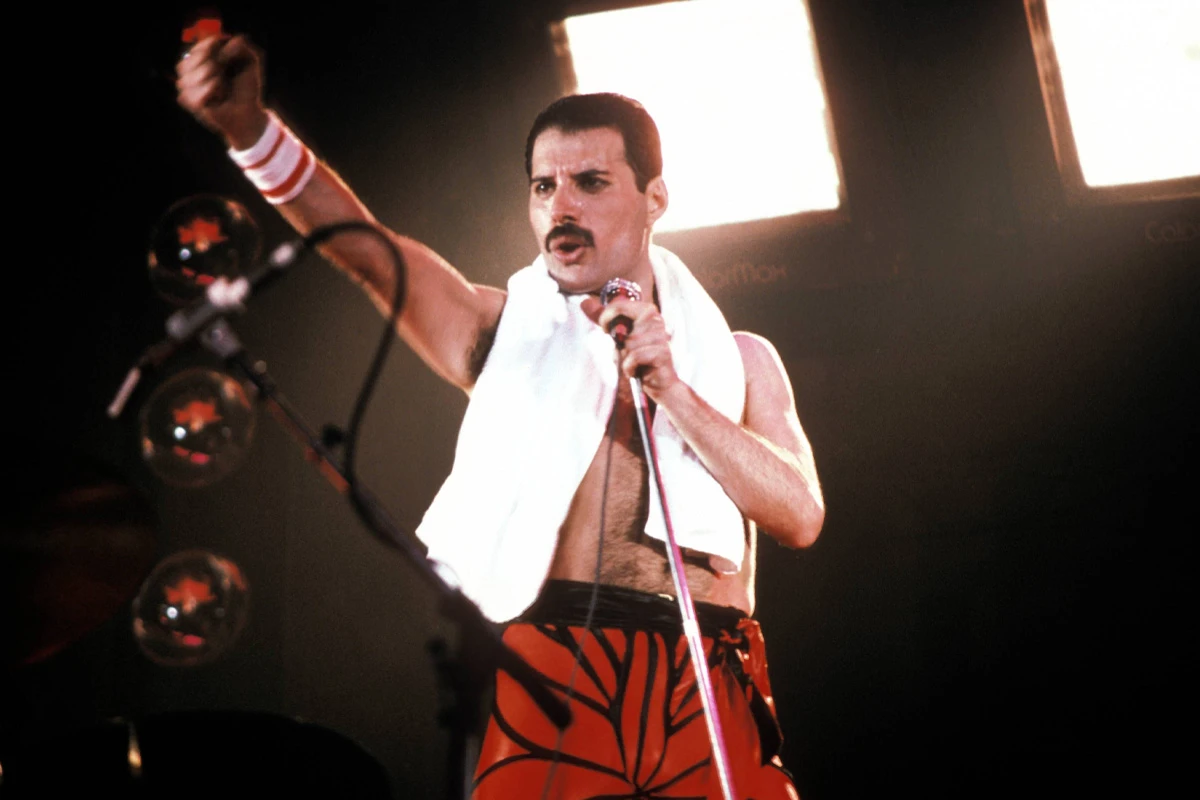
Freddie Mercury’s secret daughter, known as ‘B’, recently made statements about the Queen frontman’s sexual orientation. She challenged common perceptions about the legendary musician in an interview reported by Daily Mail.
The statements addressed how Mercury viewed his own sexuality and how he would have felt about being labeled by others.
“He regarded himself not as gay but as bisexual,” she said. “He said so in his own words and confirmed it in his own handwriting.”
She continued to explain Mercury’s perspective on public labeling of his identity.
“Those who seek to label Freddie as ‘gay’ or ‘straight’ are denying half his true feelings, emotions and needs,” she stated. “How he would have hated this. Above all, he would have loathed having been cast as a global gay icon.”
These revelations align with historical accounts of Mercury’s complex approach to his personal life and relationships throughout his career.
Mercury’s reluctance to discuss his sexuality publicly was influenced by multiple factors, including his cultural background and the social climate of his era. Biography.com reported that his Parsee heritage and parents’ Zoroastrian faith shaped his private approach to sexuality, as same-sex attraction was condemned in that community. He never openly discussed his sexuality with his family. His male partners were often presented under different pretenses to maintain family relationships.
The Queen frontman maintained relationships with both men and women throughout his life. This supports his daughter’s claims about his bisexual identity. YouthAreAwesome.com noted that Mercury had a long-term connection with Mary Austin and a notable romance with Austrian actress Barbara Valentin. He reportedly wrote the song “Love Me Like There’s No Tomorrow” for Valentin.
The complexity of Mercury’s sexual identity was further complicated by the language and social norms of the 1970s. While he was known to use phrases like “I’m as gay as a daffodil, my dear!” this may have been used in a different context during an era when bisexuality was less understood or accepted as a distinct identity.
Mercury’s approach to his personal life reflected his desire to avoid being confined by societal labels or expectations. His refusal to be categorized publicly demonstrates the same artistic independence that characterized his musical career. This reinforces his secret daughter’s assertion that he would have rejected being narrowly defined by any single aspect of his identity.