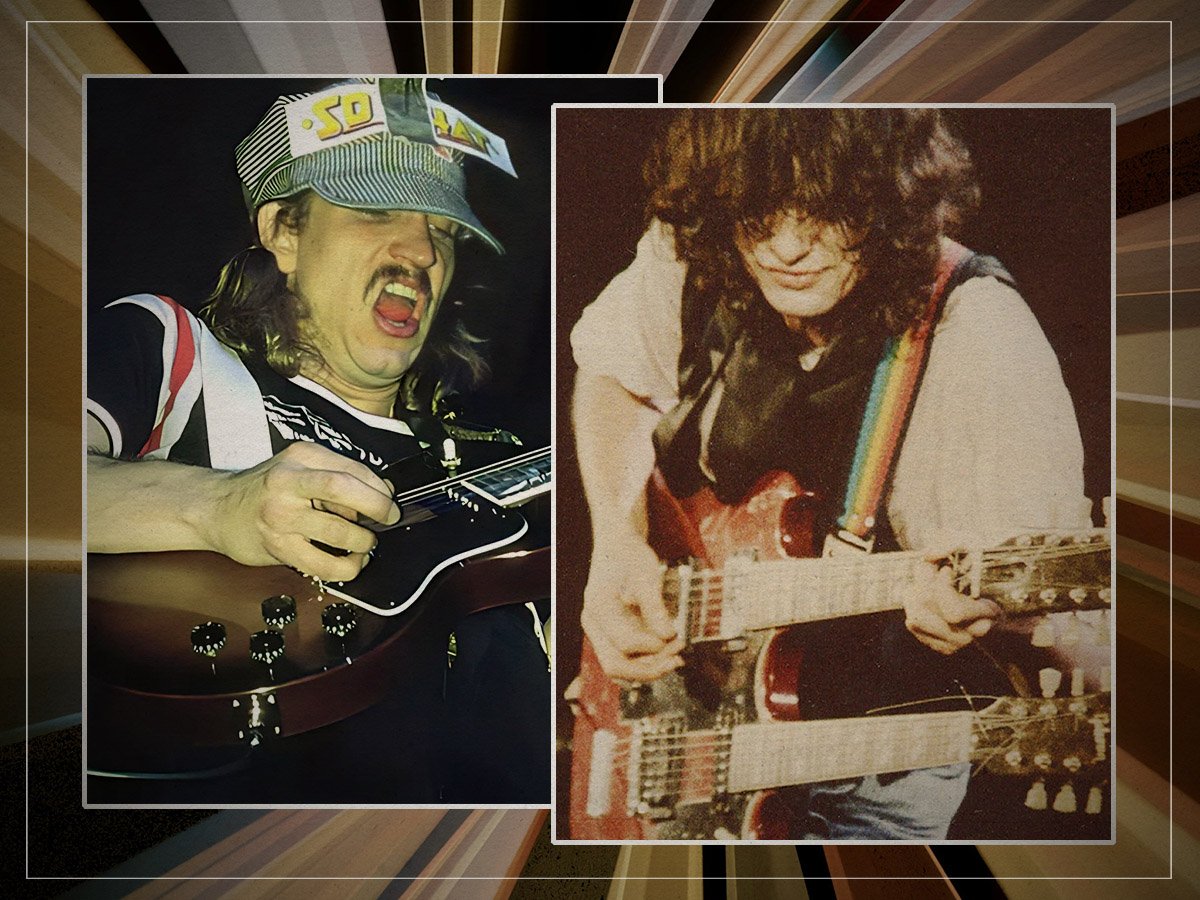
For any aspiring musician, your instrument is about more than an object that makes music. It’s practically a way for most musicians to speak without using any words half the time, and even when people like Jimmy Page accumulated a countless number of guitars over the years, there were always going to be those special guitars that told a story whenever he played them.
But before he even started Led Zeppelin, Page knew the importance of having a great instrument in his hands. He had been a veteran of the session scene, and no one was ever going to be a true professional if they walked behind the glass without knowing the first thing about how their tone was supposed to sound. As he ventured into The Yardbirds, though, Page started to develop his own language on the guitar when he took his lead breaks.
Granted, there was hardly any reason for him to try and compete with Jeff Beck. His bandmate was the living embodiment of what a British guitar god should be, but when Page lit up the stage with his signature Fender Telecaster, he gave people the perfect blend of blues rock and psychedelia whenever he started performing ‘Heart Full of Soul’. And even when the early stages of Zeppelin started, his Telecaster was always by his side when playing tunes like ‘Good Times Bad Times’.
His tone was already heavy as hell, but there was always going to be room for him to grow. Fender guitars might have been the biggest guitar manufacturer at the time thanks to people like Jimi Hendrix, but there was no use trying to copy a master, and Page found himself developing his own style when he started working with Joe Walsh.
Though Walsh wasn’t yet the guitar-toting legend that he is today when he first met Page, he still had a few rock credits under his belt. The James Gang were becoming the biggest names in American music, and after getting the opportunity to jam with Hendrix during a joint festival gig, Walsh also became friendly with Page and gifted him a Les Paul Standard.
While Page was always hesitant about switching up his guitar sound, he knew that something different was at play when he plugged in his new toy, saying, “With the Les Paul, you’d get feedback through the amp and speakers, but you could control it more easily and work with it. You could change the literal note and frequency that was coming back on the feedback. I just really enjoyed playing Joe’s guitar. So I agreed with him that maybe I should buy his Les Paul Standard after all. I played [it] on ‘Whole Lotta Love’ and ‘What Is and What Should Never Be’ and that decided it for me.”
Page hadn’t completely given up on his Telecaster, but the tone of Led Zeppelin II is a thousand leaps forward compared to what their debut sounded like. Whereas the first album sounded like the most badass bunch of blues rockers the UK ever spat out, this was when Page started leaning into songs that were a bit more abstract, and even when he played the blues on that guitar, ‘Whole Lotta Love’ helped rewrite what hard rock was going to become as the 1970s began.
And since Walsh gifted another guitar to Pete Townshend for Who’s Next, it’s safe to say that he could have easily fallen back on being a guitar store employee if he wanted to. Because in a land full of guitar heroes, Walsh knew that certain instruments needed to find themselves in the right set of hands to truly sing.