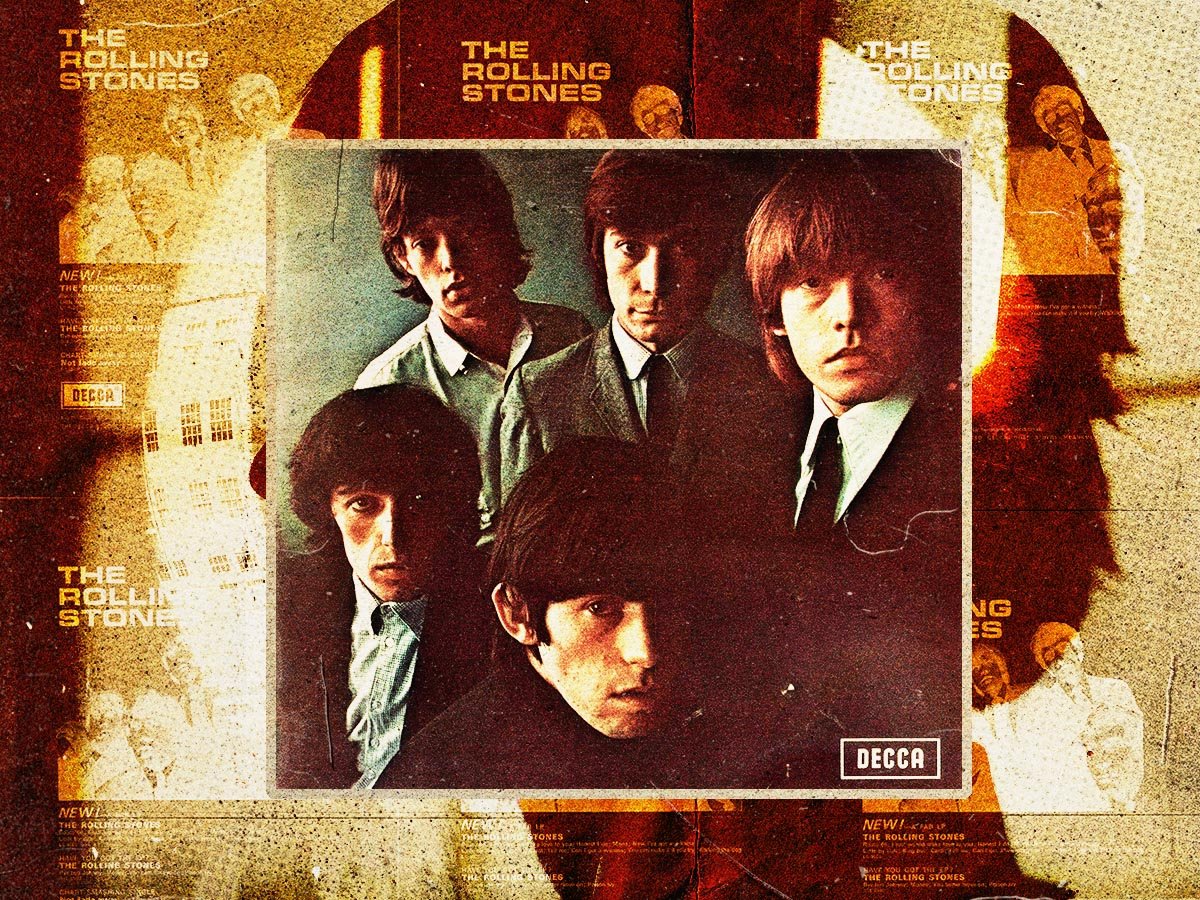
Andrew Loog Oldham had a pretty clear image in mind when he put together the Rolling Stones. “Hey, those Beatles guys are doing good, let’s do the opposite!”
“There was no real future for a British band before The Beatles appeared on The Ed Sullivan Show in February 1964. That was the turning point, after which there was an avalanche,” said Oldham when discussing the Fab Four’s influence on the Rolling Stones.
“It totally transformed the possibilities, and as usual, The Beatles were the frontrunners,” he added. “In music, there is The Beatles, and then there is everybody else.”
The Rolling Stones basically became the Beatles’ bad-influencing cousin. John Lennon himself admitted that the Beatles had to bite their tongue a lot when they initially went to America. This meant not being crude, keeping their hair at an appropriate length, and wearing suits. The Rolling Stones took these things that The Beatles weren’t allowed to do and ran with them. The result was one of the most famous rock bands in the ‘60s.
If the three pillars are sex, drugs and rock ‘n’ roll, then the Rolling Stones championed all three. They would sing songs about making love, getting high and getting drunk, all while performing with a charged vigour that continued to champion these themes. They were a provocative band, but even the greatest musical outfits had to develop. For The Rolling Stones, this meant occasionally stepping away from their usual formula and opting for something more political.
Towards the back end of the ‘60s, the band became a lot more willing to embrace politics within their music. This meant taking jabs at corrupt politicians and the Vietnam War. Songs like ‘Gimme Shelter’, ‘Street Fighting Man’ and ‘We Love You’ all lashed out at what they believed was an unjust war, a corrupt government and a violent police force. Suffice it to say that, given that the band was renowned for its party music, many listeners detested the political side of the Stones, but it’s a side that the band stood by and one that gave rise to some of their most popular songs.
One of their most popular songs was a political offering, as in 1968, the band released their track ‘Sympathy For The Devil’. The opening track for their album Beggars Banquet was human history told from the point of view of the devil, depicting all of the horror that humanity had willingly subjected itself to.
While the period in time being discussed and the actions happening throughout the song are constantly changing, one line that remains throughout the track is “Pleased to meet you, hope you guess my name.” Every Rolling Stone fan knows this lyric, but interestingly, not many people know what it means and why it’s repeated. Well, have no fear, Far Out are here to help.
So, what does it actually mean?
The repeated nature of the lyric plays into the overall theme of the song. The Rolling Stones were adamant on making a track that spoke from the point of view of the devil. By repeatedly saying “Pleased to meet you, hope you guess my name,” the band are constantly engaging with the listener and asking them to reaffirm the fact that the song is being sung by the devil himself.
The fact that the line is sung so often and used to outline such historical travesties also reinforces the original intent of the song, which is to show listeners that, regardless of what period in history you are looking at, evil will always exist. The track is strangely nihilistic in a way; however, that probably wasn’t the Rolling Stones’ intention when writing it.