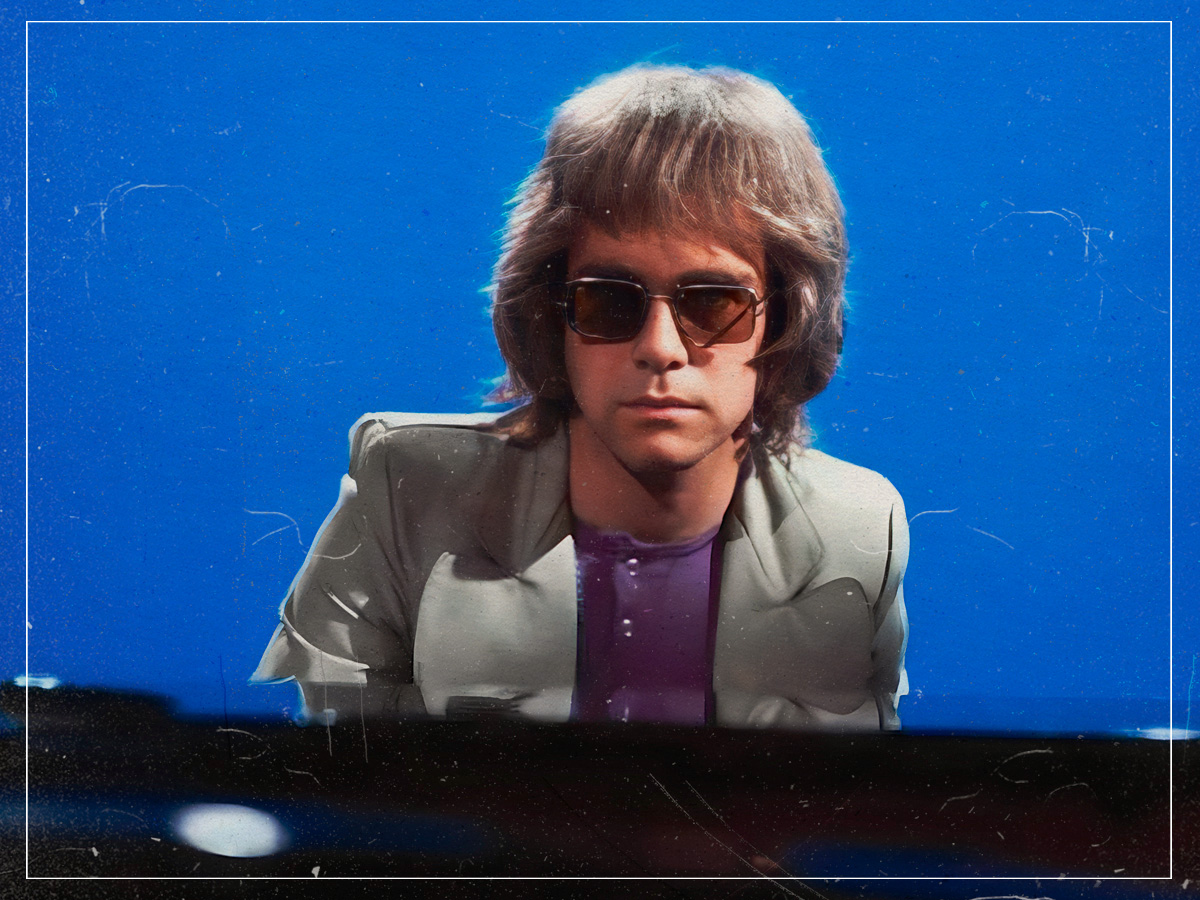
Elton John has always known exactly which buttons to press to make sure a show never gets boring. But while some might agonise over the intricacies of what that actually means, it’s quite simple.
For John, keeping and maintaining interest means adhering to all the aspects of rock ‘n’ roll that people remain drawn to, like that quintessential high-energy atmosphere that people can’t help but get up and dance to.
When it comes to typical rock ‘n’ roll greats, it probably comes as no surprise to many that John isn’t a name as immediate as others. But while not being boxed into one specific category or another was always John’s aim, rock ‘n’ roll has been threaded into the fabric of his art from the beginning, from the moment he first learnt there was a word for that inexplicable feeling of when something just momentarily makes sense.
But as he became a name in his own right, he also learnt more about the essential cornerstones of rock ‘n’ roll, and that sometimes the best parts of a live experience occur when the artist knows how and where to apply the right pressure and balance it out with all the components to make it feel raw and authentic. As he told Martin Webb in 1972, “I don’t want to sit down and do slow things all night. I’d go to sleep.”
This mantra also extended into John’s broader attitude and how he approached art, knowing what it was that most people expected from him. “I’ve been a rock and roll freak for a long time, but people seem to think that I have to do rock and roll just to prove that I’m a hip young man,” he said.
Adding, “Well, I was brought up on rock and roll. I’ve always been into rock and roll. That’s my favourite sort of music.”
Interestingly, he also said The Rolling Stones were his “idols” with the kind of palpable on-stage energy he always aspired to in his own sets (despite the bitterness that appeared later). But occupying space in this arena meant people often expected him to be something else entirely, almost like he was “jumping on the bandwagon” just because it’s what others were doing at the time. But it wasn’t like that at all – far from it. Though that awareness didn’t stop people from telling him he should be more like others.
“Everybody wants me to be like Randy Newman, which is a drag because Randy Newman is fantastic, and there’s only one Randy Newman, and that’s it,” he explained. “There’s only one Elton John and there’s only one everybody. I know what you mean, though, like Led Zeppelin and Procol Harum and Donnie and Balanie or whatever it is. It looks as if I’m jumping on the bandwagon, but I don’t care what they say because that’s the point in the show where all my energies spill out, and the audiences love it.”
Perhaps the point of contention was always how John appeared on stage (“there’s nothing visual about me on stage”). Unlike his peers, he also dressed in attire you wouldn’t typically associate with any sort of rock ‘n’ roll hero. But that was always the thing that set him apart, especially as it was also the one thing that could have held him back in a space that expected high energy, and if it didn’t exist, losing the attention of the audience was a high risk. But it worked because he knew how to compensate for it, pulling people in by redefining everything a rock star could be.